If your usual fall order has been a pumpkin spice latte, this is the year the green cup cuts in. Matcha lattes are beating pumpkin spice in search this season, and cafes are leaning into apple, maple, and cinnamon versions that feel softer around the edges than the old orange-syrup fanfare.
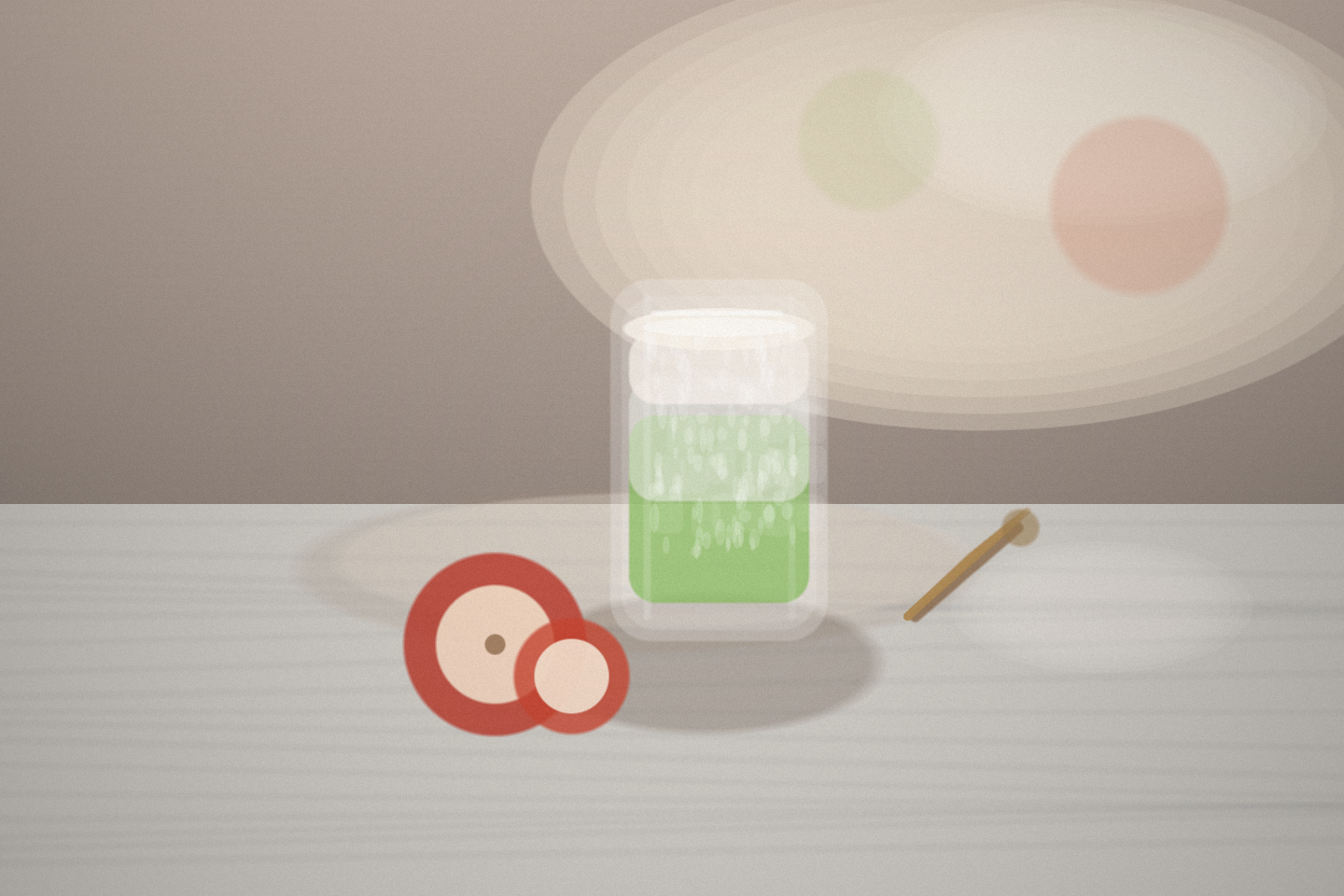
It’s an appealing switch because matcha already knows how to do cozy. The color is almost lacquered against milk, the surface catches a pale shine, and that faint grassy bitterness keeps the drink from tasting like melted candle. The trick is simple: let the tea stay audible.
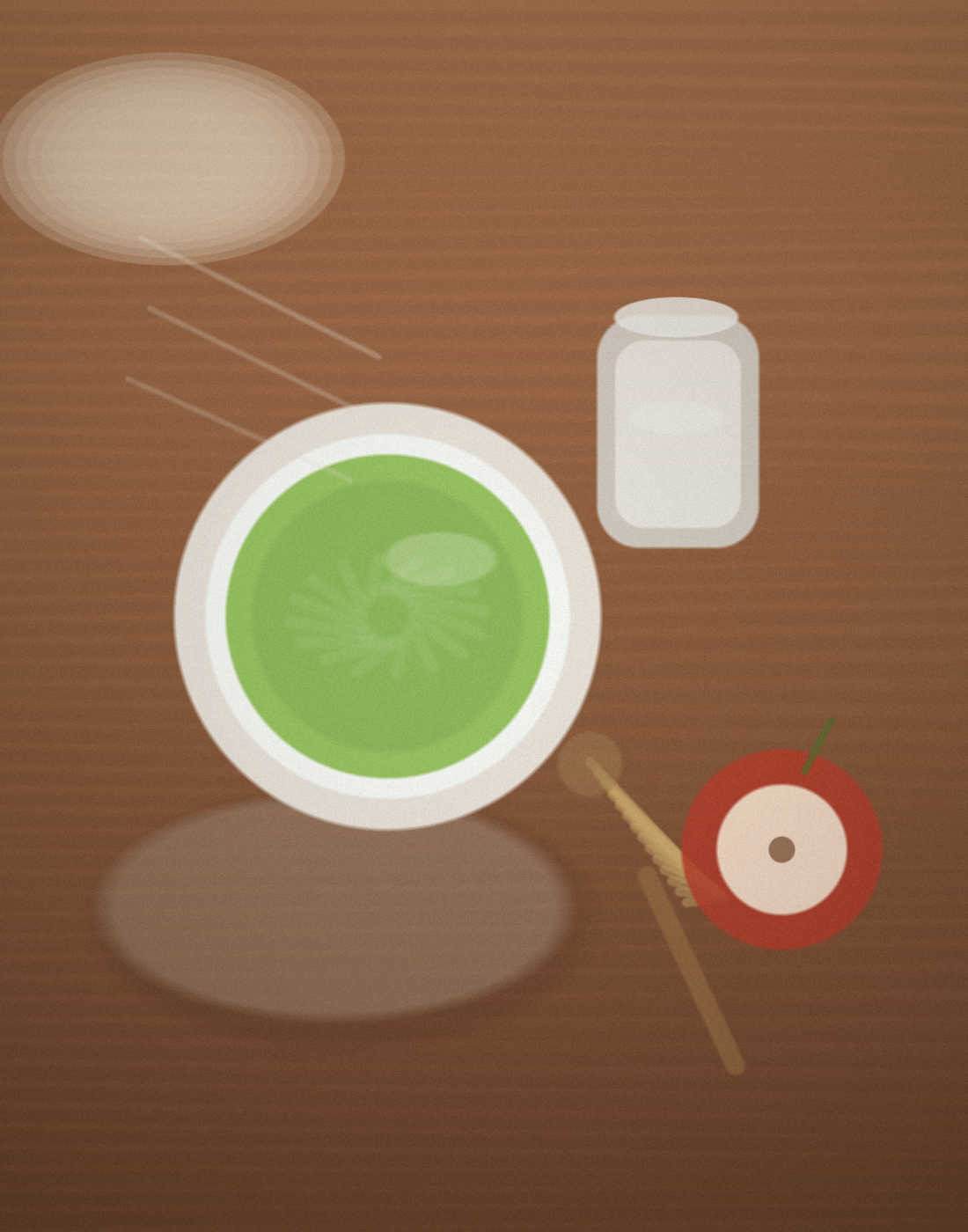
Why this one feels new right now
Pumpkin spice isn’t gone; it just looks a little established. Matcha feels fresher because it can wear fall flavors without getting swallowed by them. Apple suits its green snap. Cinnamon pulls out the toastier side. Even a touch of maple can make the cup feel rounder, like a cashmere layer thrown over something sharper underneath.
That’s the appeal, really. A seasonal matcha reads cozy without turning heavy, and it has more lift than the denser coffeehouse desserts posing as drinks. When the balance is right, you get creaminess first, tea next, and spice at the very end.
Let the tea stay in the picture
Harvard’s Nutrition Source notes that traditional teas contain caffeine and polyphenols, the compounds that give tea its aroma and a lot of its charm. Matcha has enough savory bitterness to hold its own, so it doesn’t need a blizzard of syrup or a thick cap of sweet cold foam to announce that fall has arrived.
When you order, think in edits rather than overhaul. One flavor note is usually enough. Apple plus cinnamon, lovely. Maple, fine if the pour is light. Pumpkin syrup, matcha, cold foam, and topping dust all in one cup is how a good thing disappears. You want the green, almost toasted note to keep peeking through.
Treat the timing like part of the order
Tea still counts as caffeine. The FDA says up to 400 milligrams a day isn’t generally associated with negative effects for most adults, but the threshold varies, and some people feel the buzz sooner. Harvard also notes that traditional teas tend to carry less caffeine than coffee, yet they can still feel jangly if you’re sensitive or if the cup lands too late in the day.
So if your sleep is already a little delicate, make this an earlier-afternoon flirtation rather than a post-dinner habit. Go smaller if the cafe serves matcha with a heavy hand. Skip the bonus espresso shot some menus sneak into seasonal drinks. Cozy is much prettier when it doesn’t follow you to bed.
Give it something salty to lean on
The nicest partner for a fall matcha is usually a bite with some restraint. A flaky cheese twist, a slice of toasted seed loaf with butter, even a plain almond croissant works better than another sugar hit. The drink is already doing the soft-sweet part.
At home, keep the same mood. Whisk matcha, warm your milk, stir in a little apple butter or maple if you like, and stop before it tastes like frosting. You’re after a cup that catches the light and still tastes like tea, which is exactly why it feels so current now.