Open a friend's fridge the week of Thanksgiving and there's a decent chance you'll spot the new shiny guest: prebiotic soda. The cans are pretty, the flavors are cheerful, and after a month of richer dinners, gut health is doing a lot of social work.
I'm less interested in the halo than in what the can actually offers. Harvard's Nutrition Source puts prebiotic soda in its proper place: a lower-sugar replacement for regular soda, not a health beverage. That's the distinction to keep while you're loading the cooler.
Why these cans suddenly make sense in November
You can see the appeal. Harvard notes that many prebiotic sodas land around 4 to 5 grams of sugar per 12 ounces, far below the roughly 40 grams in a typical cola. If you want something cold and fizzy beside stuffing, cheese straws, or a heavy takeout lunch, that is a real upgrade from standard soda.
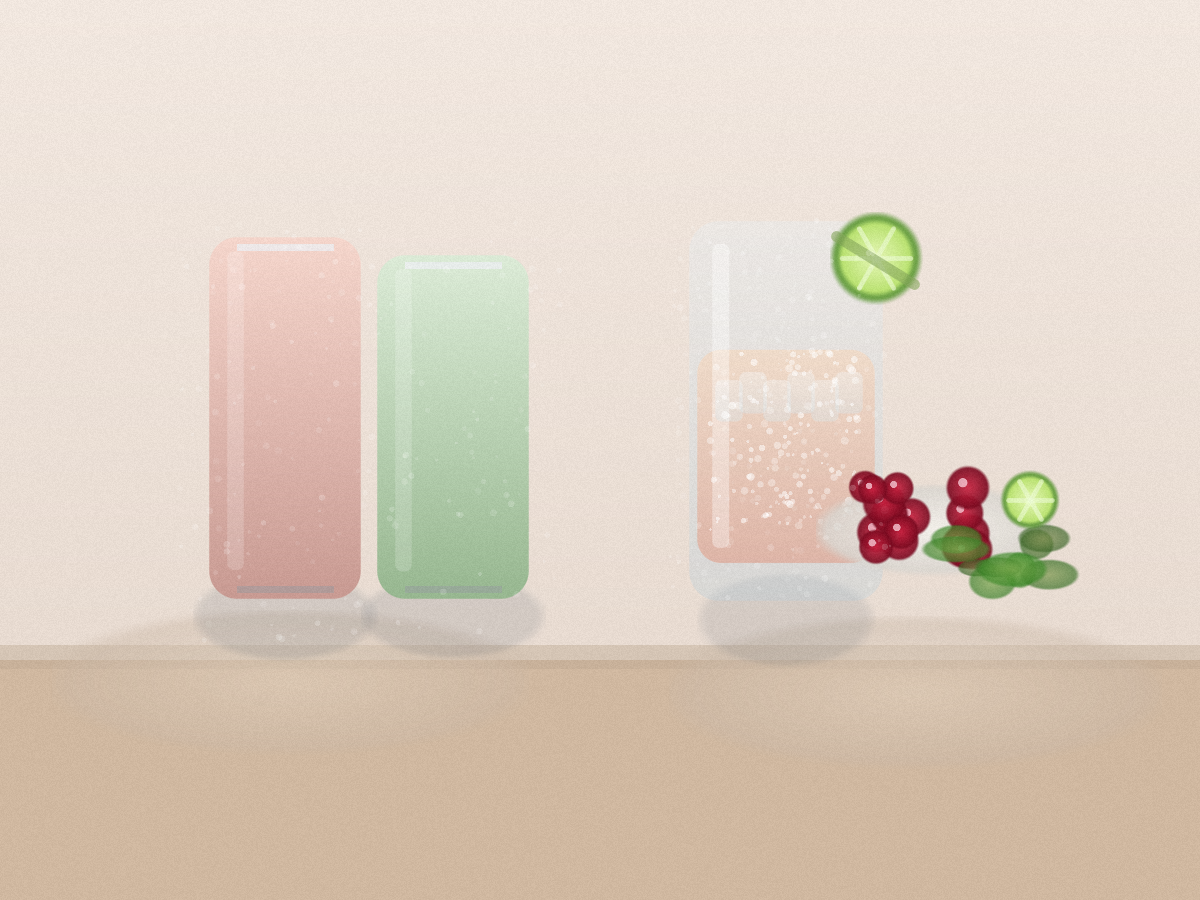
The can also fits the mood of the season. Plenty of us want something festive that isn't another glass of wine and doesn't feel as sweet as cider or punch. Poured into a glass with ice and lime, prebiotic soda reads party-friendly and easy. No one has to pretend it's medicinal for that to be appealing.
The gut-health promise deserves a calmer read
Prebiotics are real. Certain fibers feed gut bacteria, and Harvard is clear that a long-running pattern rich in beans, whole grains, nuts, seeds, fruits, and vegetables helps support a healthier microbiome. The part that gets slippery is the leap from that broad research to one can promising a happier gut by dinner.
Harvard is blunt here, too: it's unproven that the small amount of prebiotics in these sodas will truly improve gut health. Drink two or three hoping to rack up benefits and you also rack up more sugar. If your stomach tends to object to inulin or other added fibers, Harvard's fiber guide notes that these ingredients may cause bloating or stomach upset, especially for people with IBS.
A quick label read tells you most of what you need
Start with added sugar. The FDA says the Daily Value for added sugars is 50 grams on a 2,000-calorie diet, and the label shows both grams and percent Daily Value. You don't need perfect math in the grocery aisle. You just want to know whether your better-for-you can is quietly behaving like dessert.
Then read fiber and ingredients with the same cool eye. A few grams of fiber may make a soda more satisfying, especially if you're trying to move away from standard soft drinks. It still doesn't replace the lentils, pears, oats, or vegetables your gut actually recognizes as dinner. Flavor still matters here, too. My November move is simple: chill a few cans if you like them, pour them into nice glasses, and keep plain sparkling water nearby for the second round.