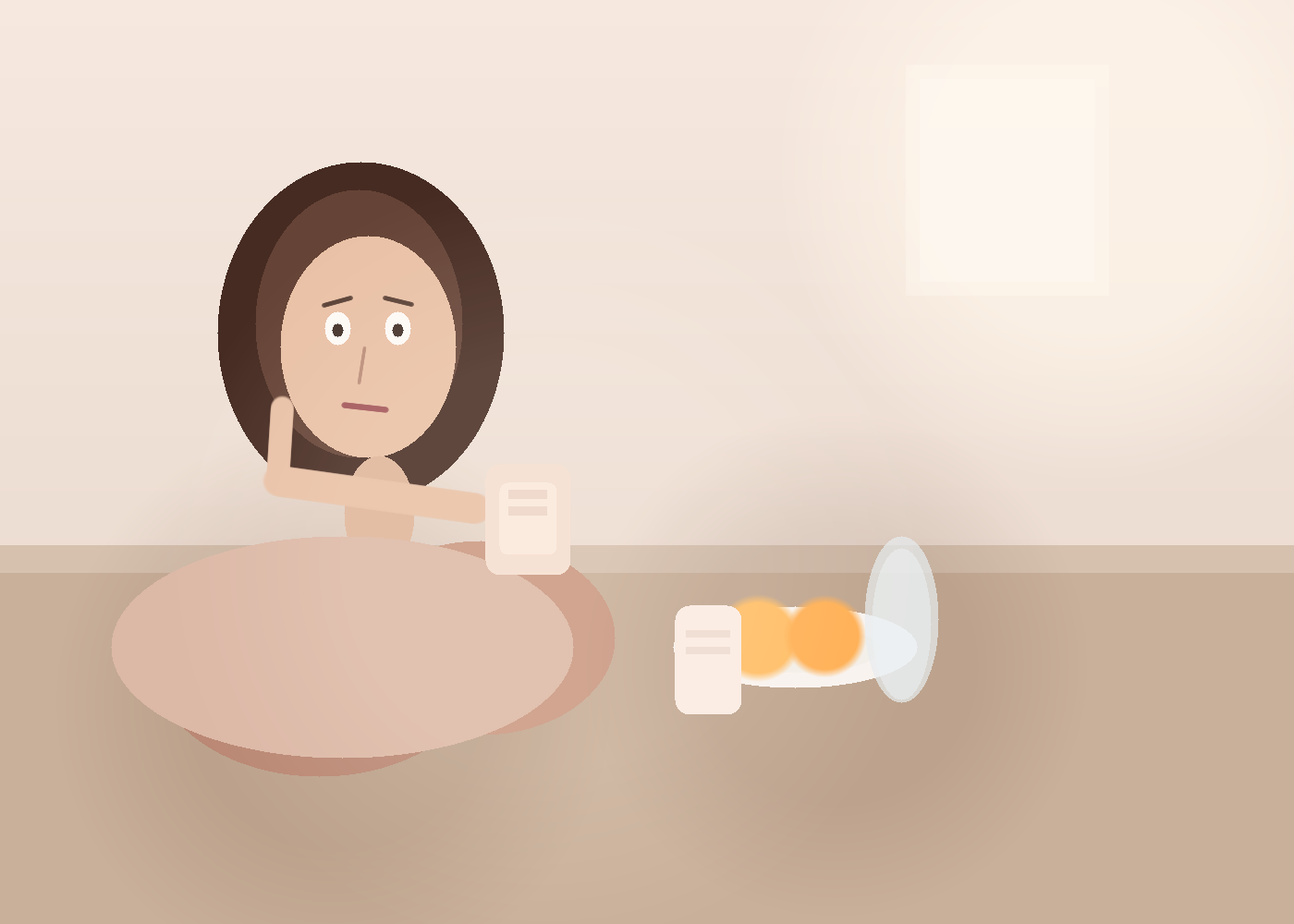
If your algorithm has started serving glossy collagen jelly sticks between lip oils and scalp serums, you're seeing a very current beauty habit take shape. The pitch is neat and a little irresistible: eat a sweet little pouch, and your skin will look firmer, smoother, somehow better lit.
The science is less neat. Collagen is real, your skin depends on it, and there are small trials that suggest oral collagen supplements may help hydration or elasticity. But once you look past the satin packaging, the evidence gets thinner, the studies get shorter, and the old advice starts to look much more convincing.

The pouch looks like skincare because that's the whole point
Collagen jelly is an easy beauty object. It lives happily beside your hand cream, comes in flavors instead of shades, and borrows the language of bounce, glow, and firmness without asking you to add another serum. That's why it feels so modern right now. It turns skin care into a snack break.
Still, it helps to name the product correctly before you fall for the styling. A collagen jelly pouch is a dietary supplement. The FDA says supplements are meant to add to the diet, and the agency does not approve them for safety or effectiveness before they reach the market. So the pretty wrapper may look as polished as a skin-care launch, but it does not arrive with drug-level proof attached.
The research gets shakier once you leave the marketing
Harvard's Nutrition Source gives the fairest short version I've seen. Some randomized trials have found improvements in skin elasticity, which is why collagen keeps sounding plausible. But Harvard also notes that most or all of the research has been funded or partly funded by industries that benefit from a positive result, which makes the real effect harder to judge with much confidence.
That doesn't mean every collagen pouch is nonsense. It means the claims deserve a cooler read than the branding suggests. If you enjoy one and the price doesn't annoy you, fine. Just treat it like an optional supplement with mixed evidence, not a shortcut that can do the work of sunscreen, sleep, or a decent dinner.
Your skin still prefers the boring fundamentals
The unglamorous part is also the part that keeps holding up. Harvard points out that our bodies make less collagen with age and that excess sun exposure, smoking, heavy alcohol use, and too little sleep or exercise speed the decline. The AAD is similarly plain about supplements for skin, hair, and nails: if you're a healthy adult without a deficiency, a well-balanced diet is the better place to start.
So if you're deciding between a month's worth of beauty jelly and a few very ordinary habits, choose the habits. Feed yourself enough protein, fruits, vegetables, and whole grains. Wear sunscreen. Sleep. If you have a medical reason to consider a supplement, or you take medications that could interact, bring the pouch to your clinician and ask a real question instead of trusting the glow copy on the box.
- Read collagen jelly as a supplement, not a candy with beauty powers.
- Be suspicious of promises that sound faster or bigger than the studies behind them.
- Spend the first part of your beauty budget on sunscreen and food you already know how to eat.