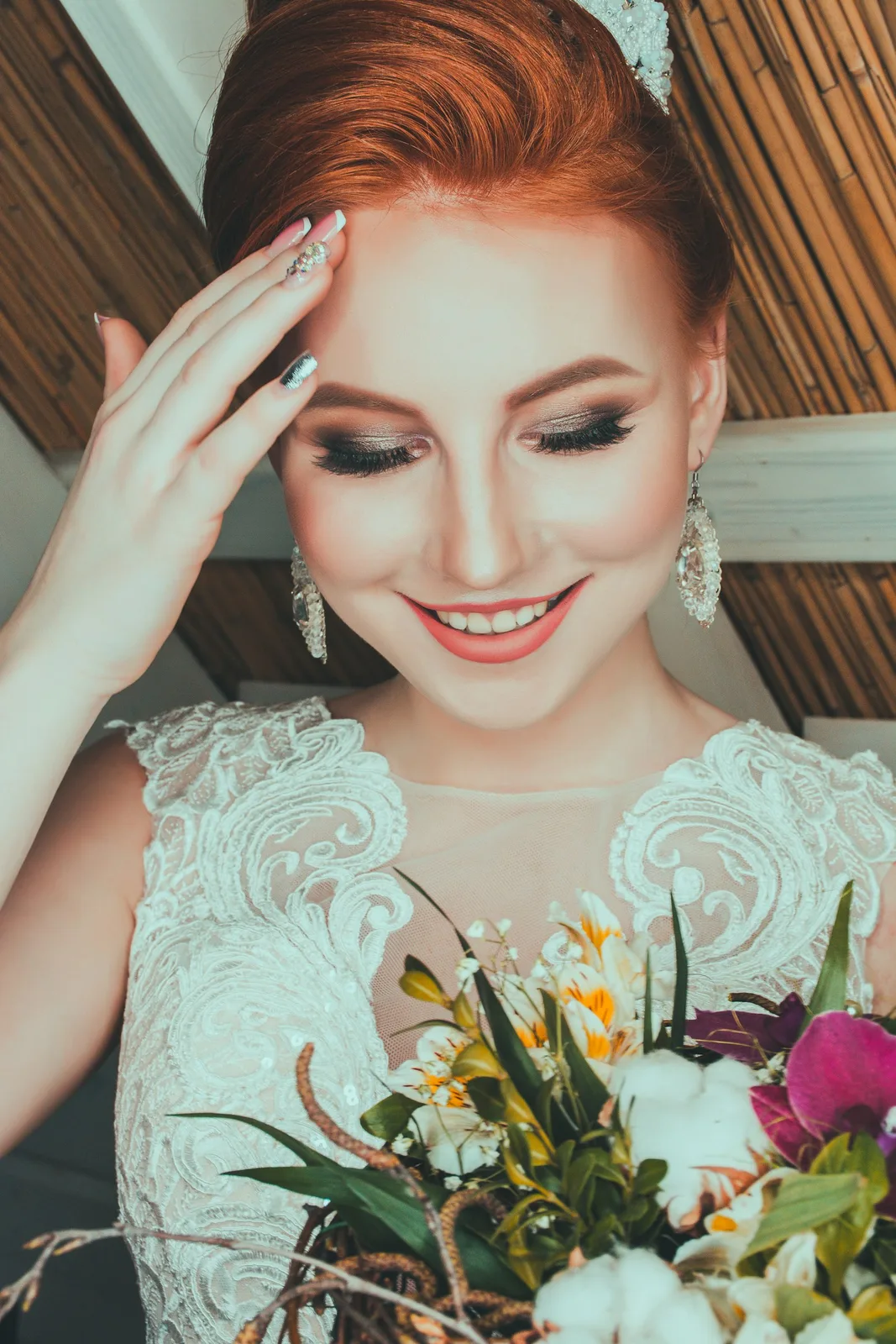
A short cut can feel like an instant reset. The best ones come from knowing how to ask for one. A celebrity photo hands your stylist someone else's hair, face, and standing blow-dry appointment, and almost none of that transfers to you. What does transfer is specifics: the length you want, the pieces you want around your face, and how much styling you're honestly willing to do.
So before you sit down, get clear on a few things. None of them require salon vocabulary. They just give your stylist something real to cut with, instead of a picture to chase.
Bring pictures, and be honest about them
Photos are still the best language in a salon, and good stylists will tell you so. Bring a few in natural light, skip the filters, and try to choose references with hair texture close to yours. A crisp bob on someone with poker-straight hair won't land the same way on a head of waves.
Then talk through the picture together. Point to where you want the length, say which parts you love and which you'd happily skip, and describe how you want it to look air-dried, not just freshly styled. The more specific you are, the less your stylist has to guess.
Decide where it should land
Jaw, chin, cheekbone, collarbone: each length sits and moves differently, and an inch in either direction changes the whole feel. Bring photos, then ask your stylist what that length will actually do with your density and the way your hair grows.
Face-shape rules are looser than the internet makes them sound, so don't get too precious about them. What matters more is where the shortest pieces fall around your features, and whether a cowlick or a strong growth pattern will fight the shape you're after. A stylist can spot those in seconds, so ask them to point it out on your own head.
Be honest about your mornings
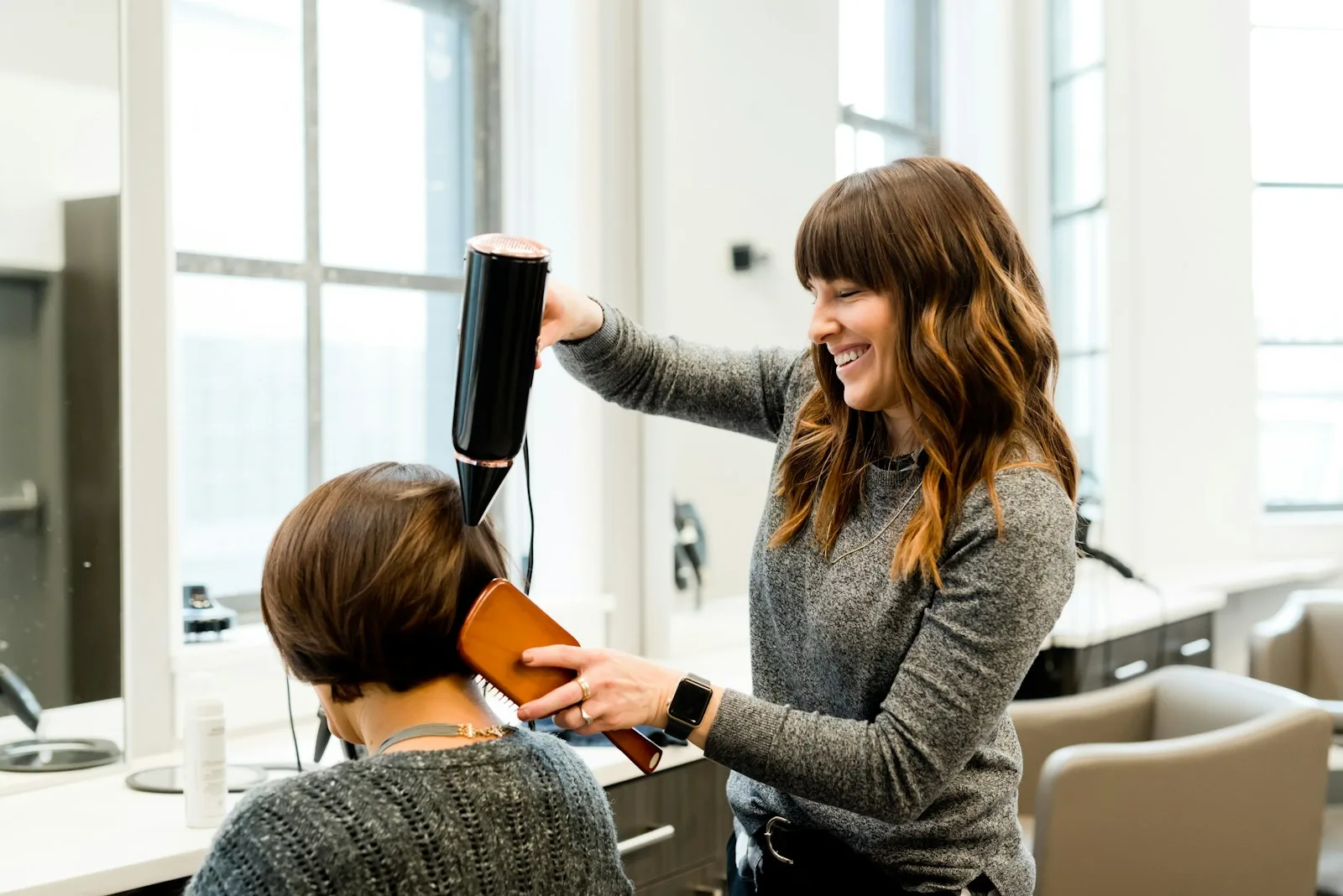
A cut you love in the chair still has to survive a Tuesday. Tell your stylist how much time you'll really give it, whether you own a round brush and actually use it, and how you feel about heat. A blunt, precise bob can read severe by week three if you never blow it out, while a softer, layered shape forgives a lot more.
Upkeep is the question people skip and then regret. Short shapes lose their line fastest, so ask how often you'll need to come back to keep it looking deliberate rather than grown-out.
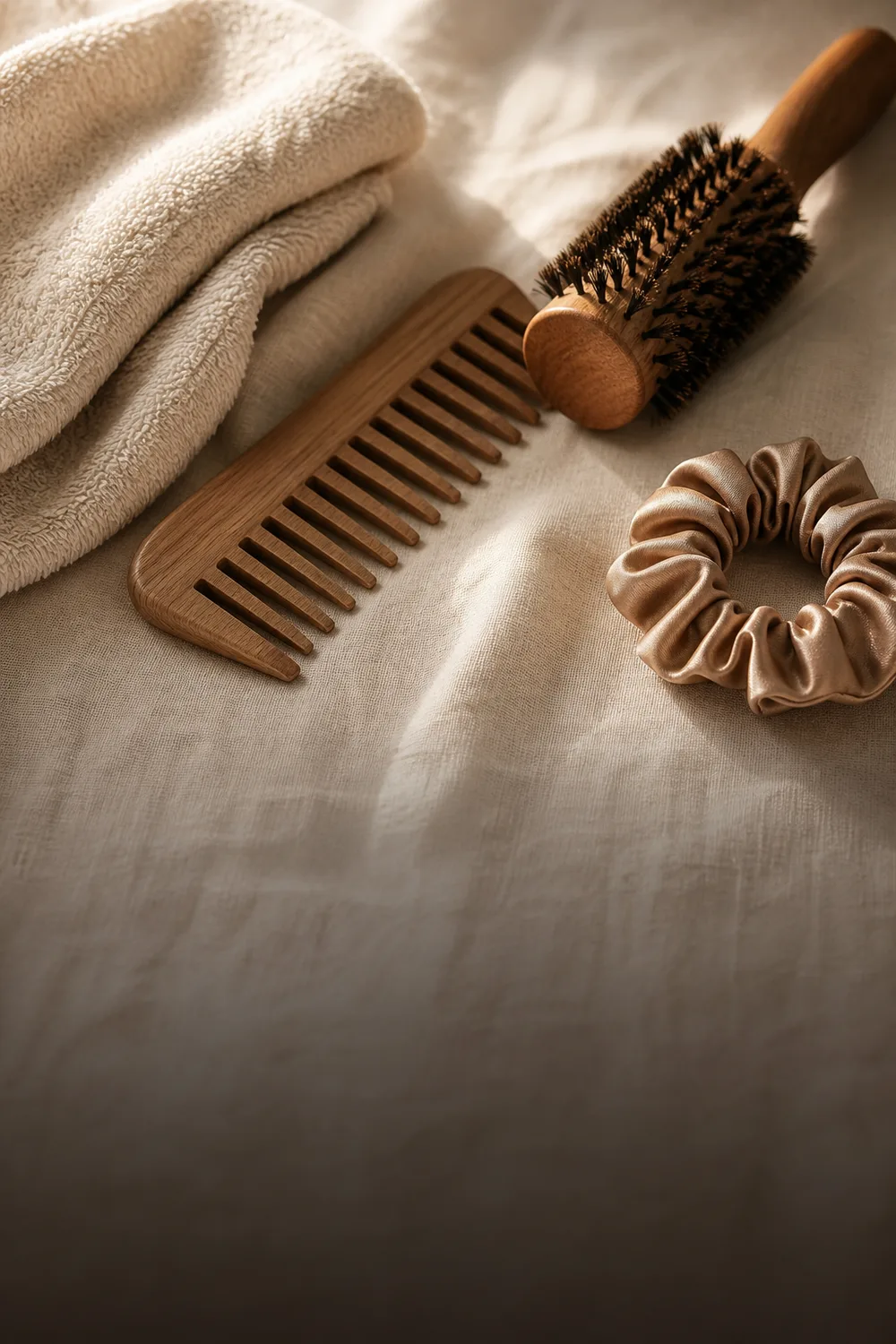
Accessories are a good test of how the new length will behave between washes. A can catch a half-up section when the front pieces still reach, while a Rhinestone Sports-Motif Headband keeps shorter layers back without asking them to fit into a ponytail.
Ask how it grows out
A gorgeous salon finish should still make sense six weeks later. Scalp hair grows roughly half an inch a month, so a short shape shifts noticeably within a few weeks, and how it shifts is worth knowing before the first snip. Ask how the shape grows out, when it'll need reshaping, and which pieces will ask for heat or product every morning.
And don't expect a trim to do more than it can. Regular cuts keep ends from splitting and keep a short shape sharp, but cutting hair doesn't change how fast it grows, since that happens below the skin. Plan your appointments around the calendar, not around that old myth.
- Fine hair usually looks best with cleaner, blunter ends.
- Thick hair often wants weight removed from the inside, not heavy layers piled on top.
- Waves and curls should be cut with their dry shape in mind, so nothing shrinks up on you by surprise.