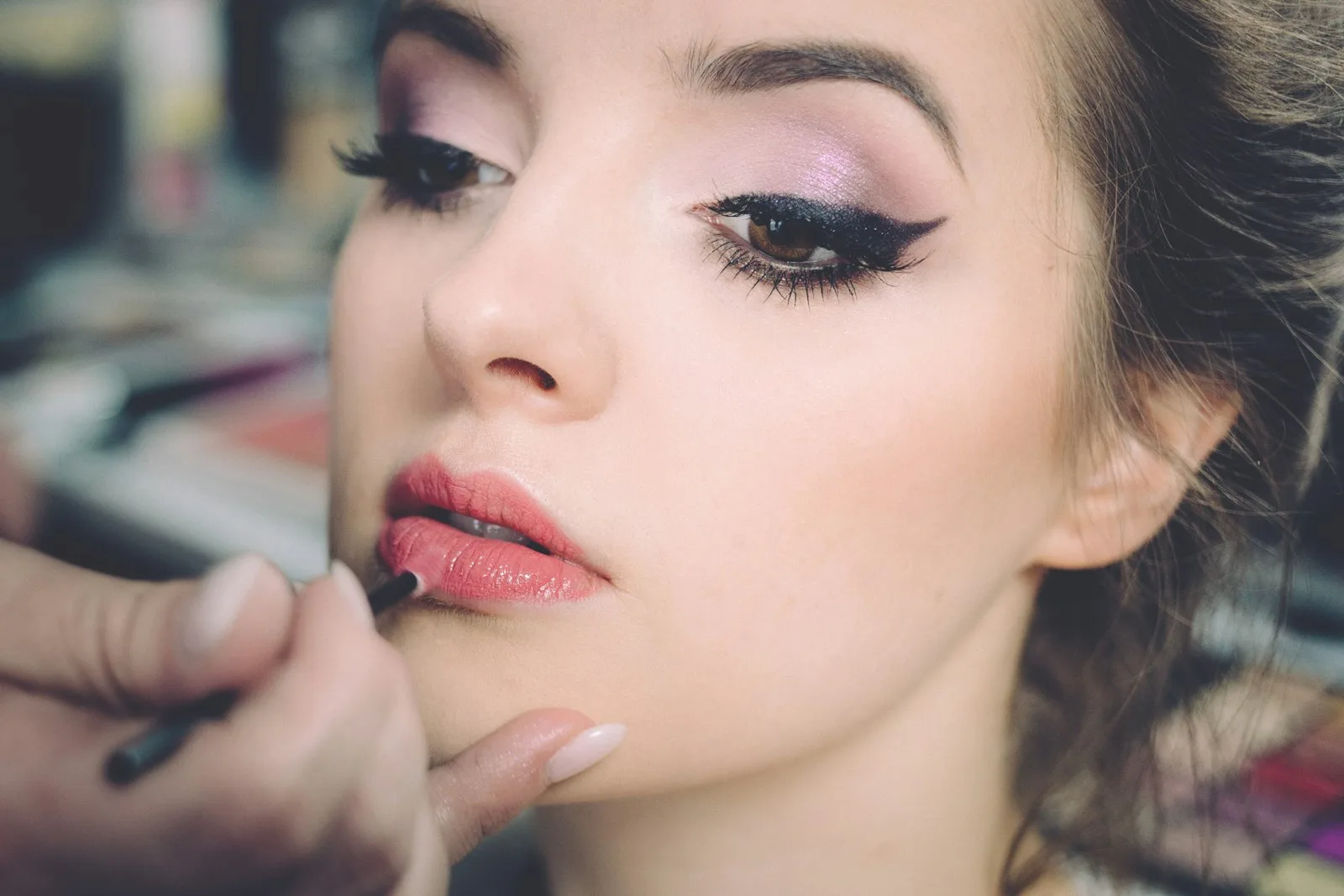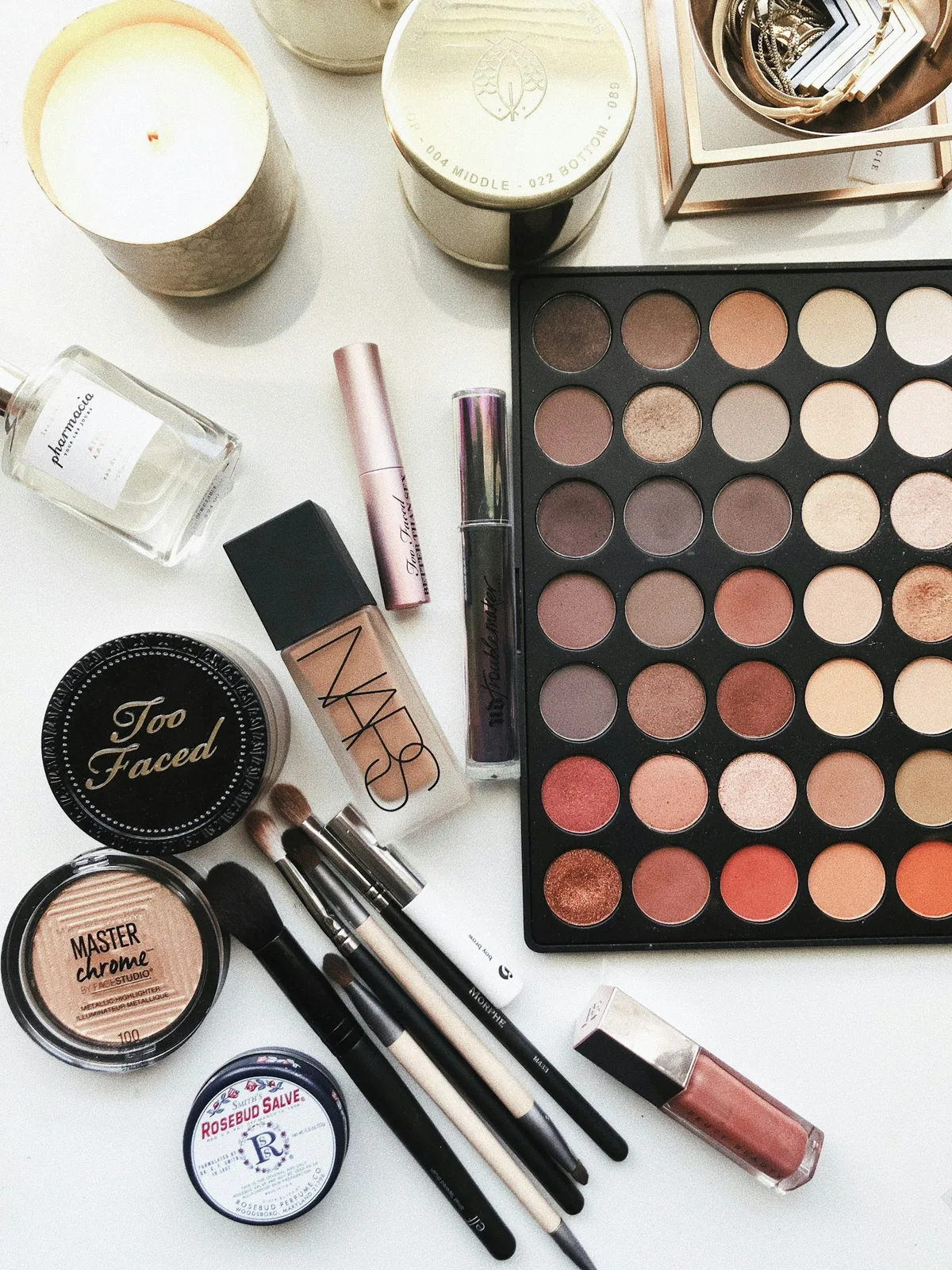
Blush has spent the year climbing higher, spreading wider, and becoming the first thing you notice about a face. By August, the version that still feels fresh is beautifully hazy: colour that seems to belong to your skin instead of sitting on top of it.
The charm is in the missing border. You shouldn't be able to point to the exact spot where the pink begins. Think of a watercolour wash with a little more nerve, swept from the outer cheek toward the temple and softened until every edge disappears.
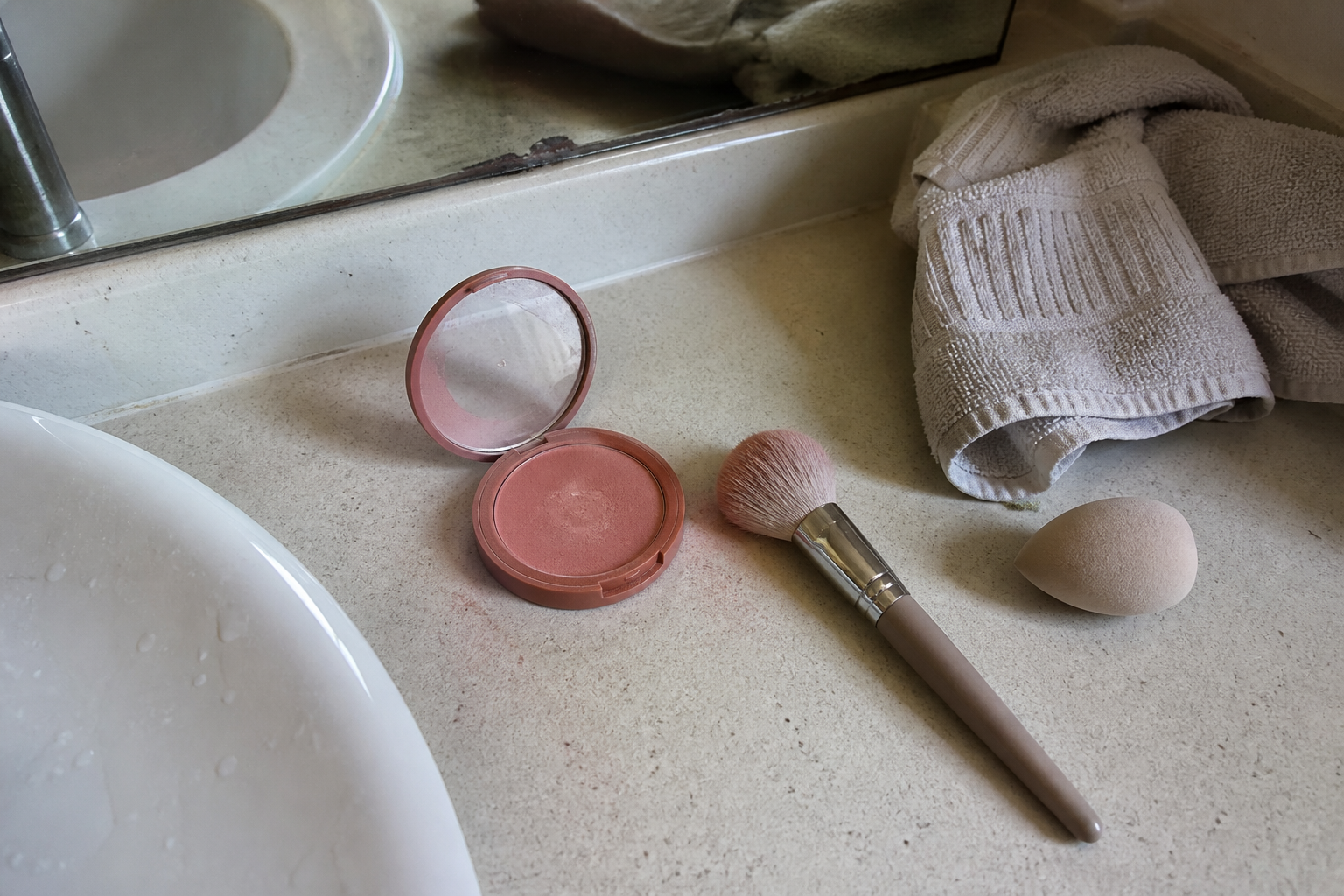
Start with less colour than you think
Highly pigmented liquid blush has trained us to treat one dot like a dangerous substance. For this look, control starts before the product touches your face. Put a tiny amount on the back of your hand, work it into two fingertips or a brush, then press the remaining colour onto your cheek. The first contact should look almost disappointing.
Build in thin veils. A muted rose, warm berry, terracotta, or soft coral can all work; the right shade is the one that looks lively beside your bare skin. If the colour turns chalky, go a little warmer. If it reads orange before you've even blended, move cooler. Your cheek will tell you faster than a shade name ever could.
Let the colour travel upward
Summer 2026's blush has left the neat circle on the apple of the cheek. Makeup artists are placing it along the upper cheekbone and carrying the colour toward the temple, which gives the face shape without the hard stripe of contour. Begin around the outer edge of your iris, then blend up and out. Keep the strongest colour away from the crease beside your nose.
Placement should follow your face rather than a diagram. On a longer face, take the blush slightly outward for width. On a rounder face, a soft diagonal sweep can feel elegant. If you love colour across the nose, use whatever is left on the brush. That nearly empty final pass keeps the effect airy instead of sunburned.
Blur the perimeter, leave the centre alive
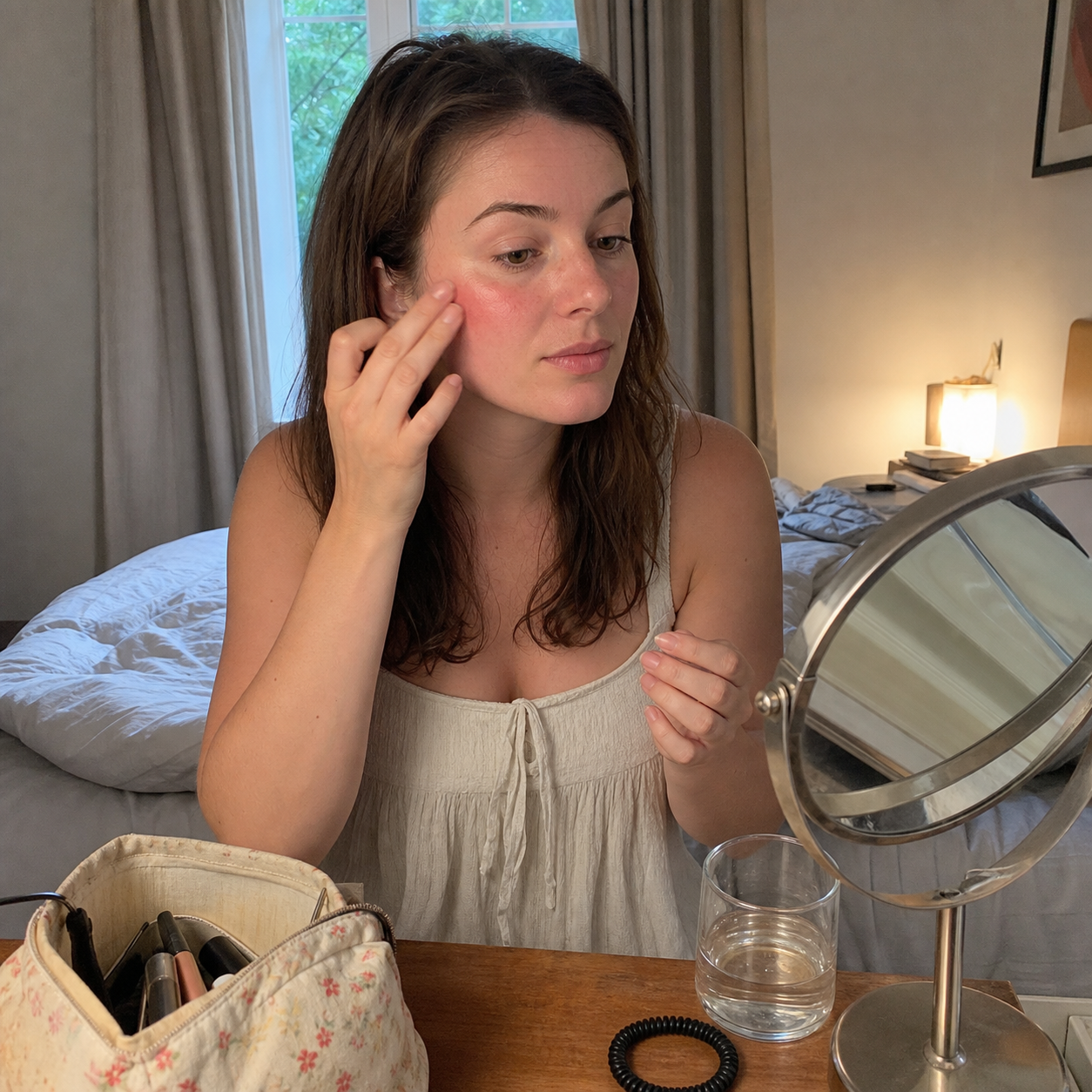
Once the colour is where you want it, put the blush down. Take a clean, loose brush or the rounded side of a makeup sponge and work only around the perimeter with small tapping motions. Leave the centre alone. Softening everything equally can turn a lovely flush into a vague pink fog with no dimension.
A trace of your skin tint on the sponge can rescue an overenthusiastic edge. Press it around the blush, never straight over the brightest point. Powder blush is just as forgiving: use a clean brush with longer bristles and flick outward toward the hairline. The motion should feel featherlight. Heavy buffing tends to lift the base underneath.
Choose the finish your evening can handle
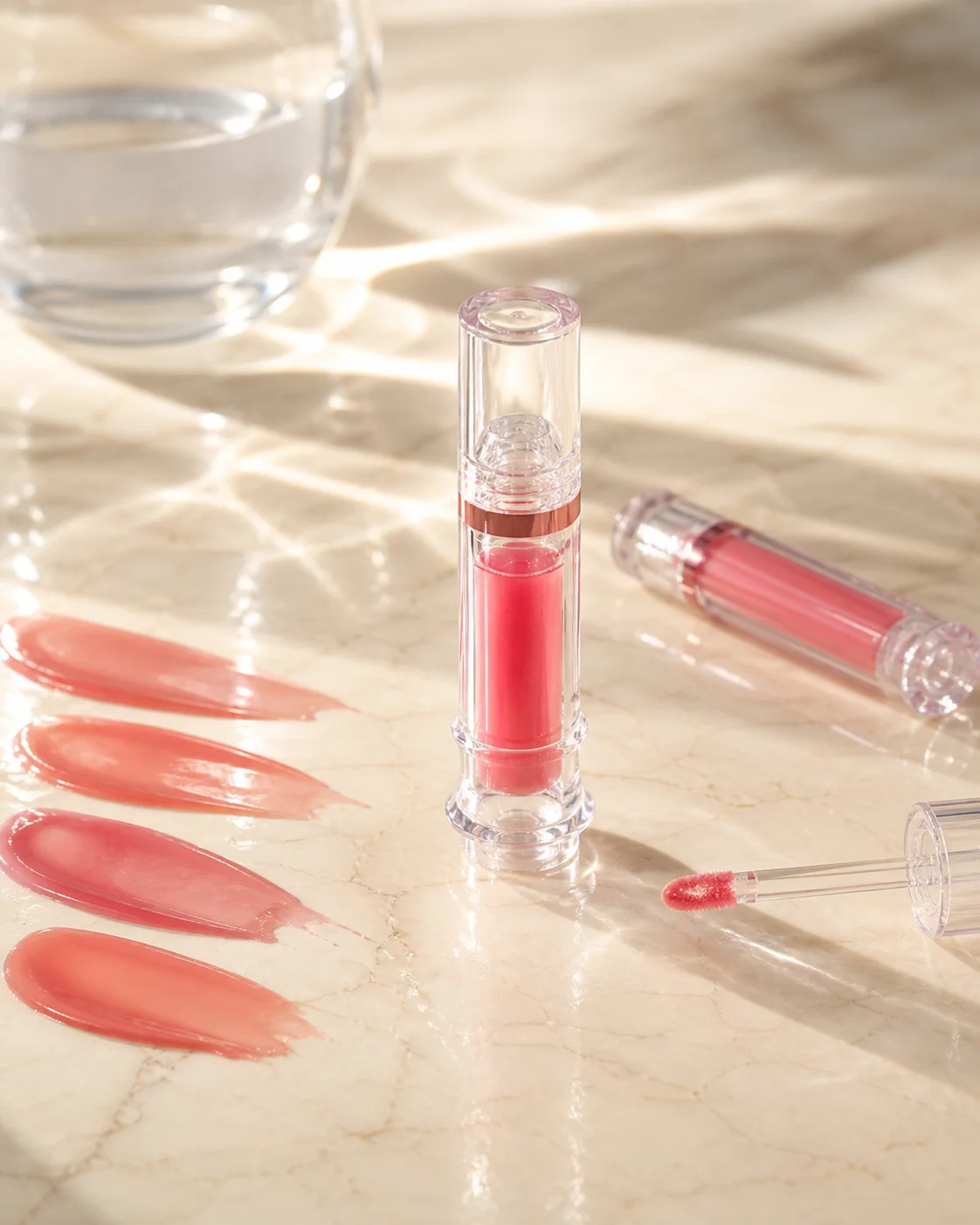
A sheer cream gives the prettiest transparency for dinner on a breezy terrace. In sticky weather, a soft-matte cream-to-powder texture keeps the hazy effect while holding its shape longer. You can also tap a whisper of powder blush over cream, concentrating it at the centre and keeping the edges sheer.
Look at the result in daylight before you add more. Bathroom mirrors have a talent for swallowing colour, while a phone camera and the street outside will find every extra layer. The best blurred blush still has character. It brightens your face, catches the last warm light of the day, and looks even better after you've stopped thinking about it.