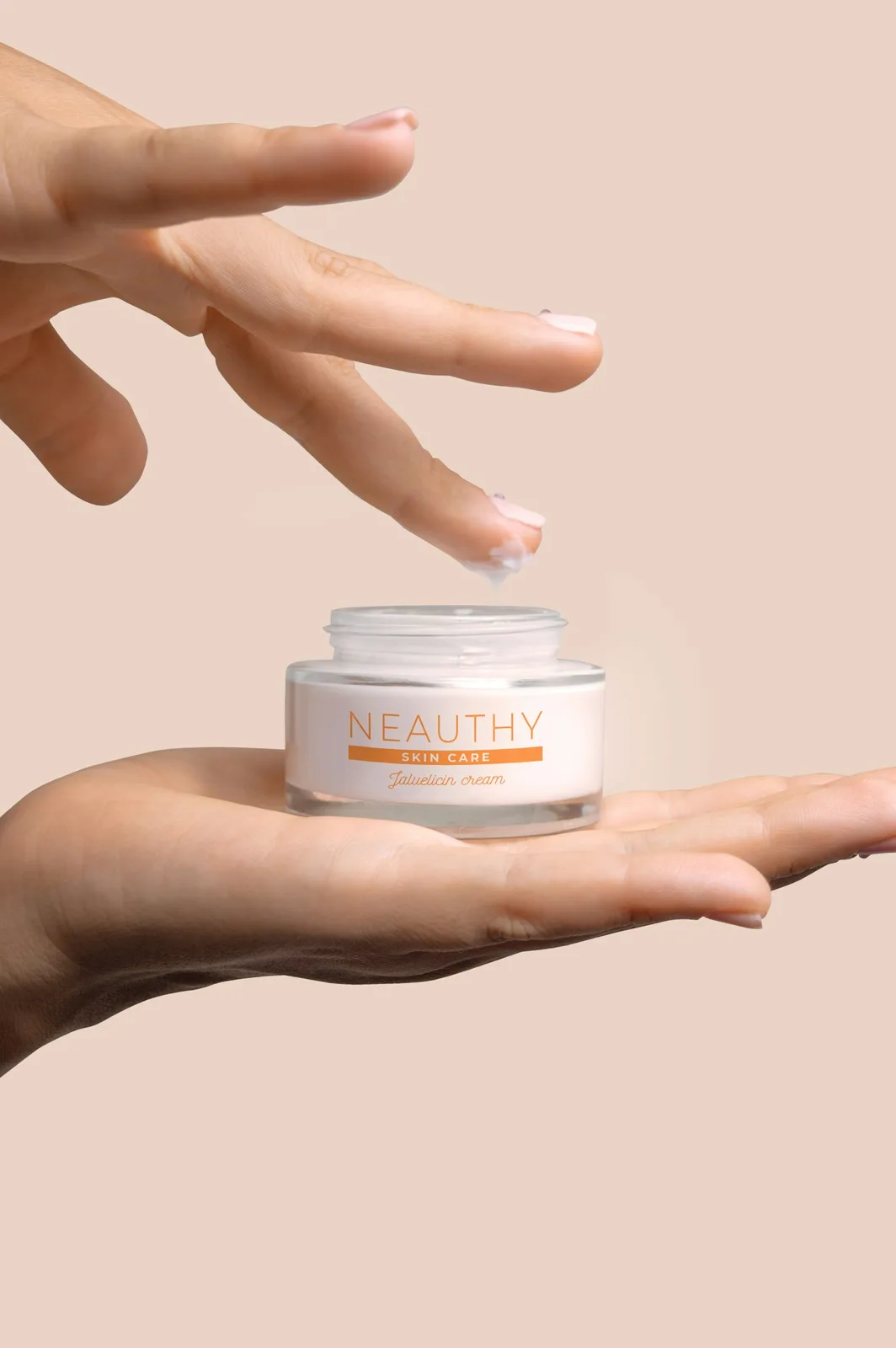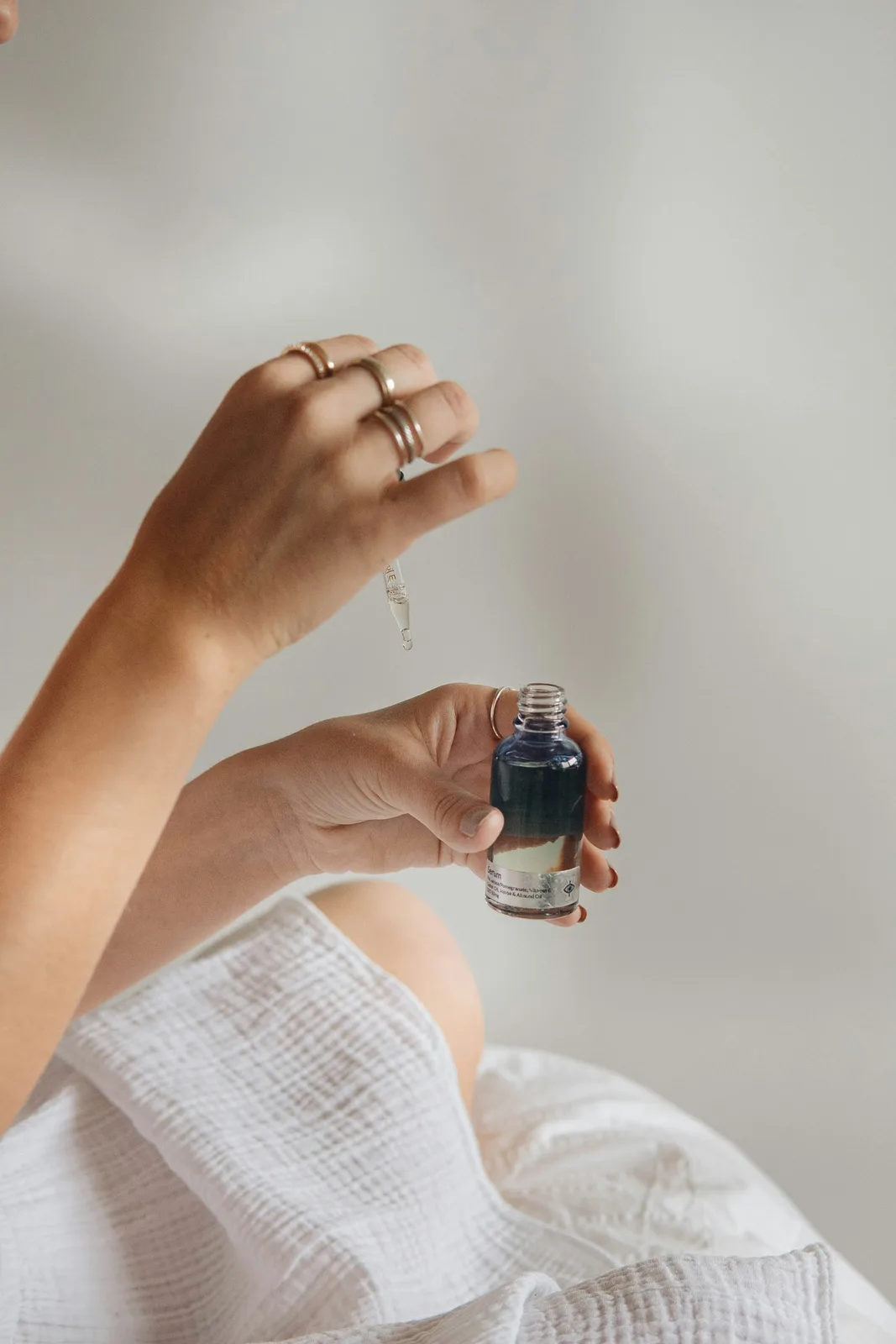
Barrier balms are having a tidy little moment. In Vogue's beauty tracker published on November 13, 2026, rising skincare signals included scar sticks and a broader barrier-repair mood, which tracks with what late fall does to faces: wind, tissues, indoor heat, and a little too much rubbing in a hurry.
A balm stick won't solve every winter complaint, and it doesn't need to. Its charm is smaller. You keep one in a coat pocket or bag, then press a soft occlusive layer onto the bits that chap first: around the nose, at the mouth corners, across the lips, over a rough cheek on the walk home. It asks very little of you, which is part of the appeal on mornings when skin feels fussy and patience runs short.
Why the pocket balm suddenly makes sense
That's why the format feels current. Skincare has been flirting with bigger promises all year, while the humble stick keeps its ambitions close to the skin. It travels well. It doesn't spill. It gives you a precise swipe instead of a full glossy face when all you wanted was relief beside one nostril.
The science underneath it is old-fashioned in the best way. The American Academy of Dermatology says creams and ointments are more effective than lotions for dry skin, and the FDA still recognizes classic ingredients like petrolatum, dimethicone, and glycerin as skin protectants. A winter balm is trendy because it is portable. It helps because it is thick.
Put it on after moisturizer, where the cold actually lands
Use yours at the end of the routine, once water is already in the skin. The AAD's advice is refreshingly plain: cleanse gently, pat dry, and apply fragrance-free moisturizer while skin is still damp. Then seal the wind-beaten spots with balm. You're simply keeping that comfort from drifting off before you make it back outside.
Most people don't need to lacquer the whole face every morning. Keep the swipe targeted. Sides of the nose after a cold walk. Mouth corners after spicy dinner and lip licking. Cheekbones before a windy commute. Lips before you step into dry heat. The smaller move is often the better-looking one.
Let the ingredient list stay pleasantly dull
The shopping brief is not glamorous. Look for the familiar names the AAD points people toward for dry skin: petrolatum, glycerin, dimethicone, mineral oil, shea butter. The FDA monograph for skin protectants even allows products with these classic bases to say they help protect chapped or cracked skin and lips from wind and cold. That is exactly the assignment.
Leave the exciting actives out of the sore spots for a minute. The AAD specifically warns that fragrance and retinoids can irritate overly dry skin, and winter tends to show you where your threshold lives. If a patch is stinging, cracked, bleeding, or hanging around despite kinder care, stop experimenting and book the dermatologist.
- Swipe balm on right after washing hands or face, while skin still holds some water.
- Keep one by the tissues if your nose is paying for allergy season and cold air at once.
- Reach for a thicker cream at home and let the stick handle touch-ups once you're out the door.