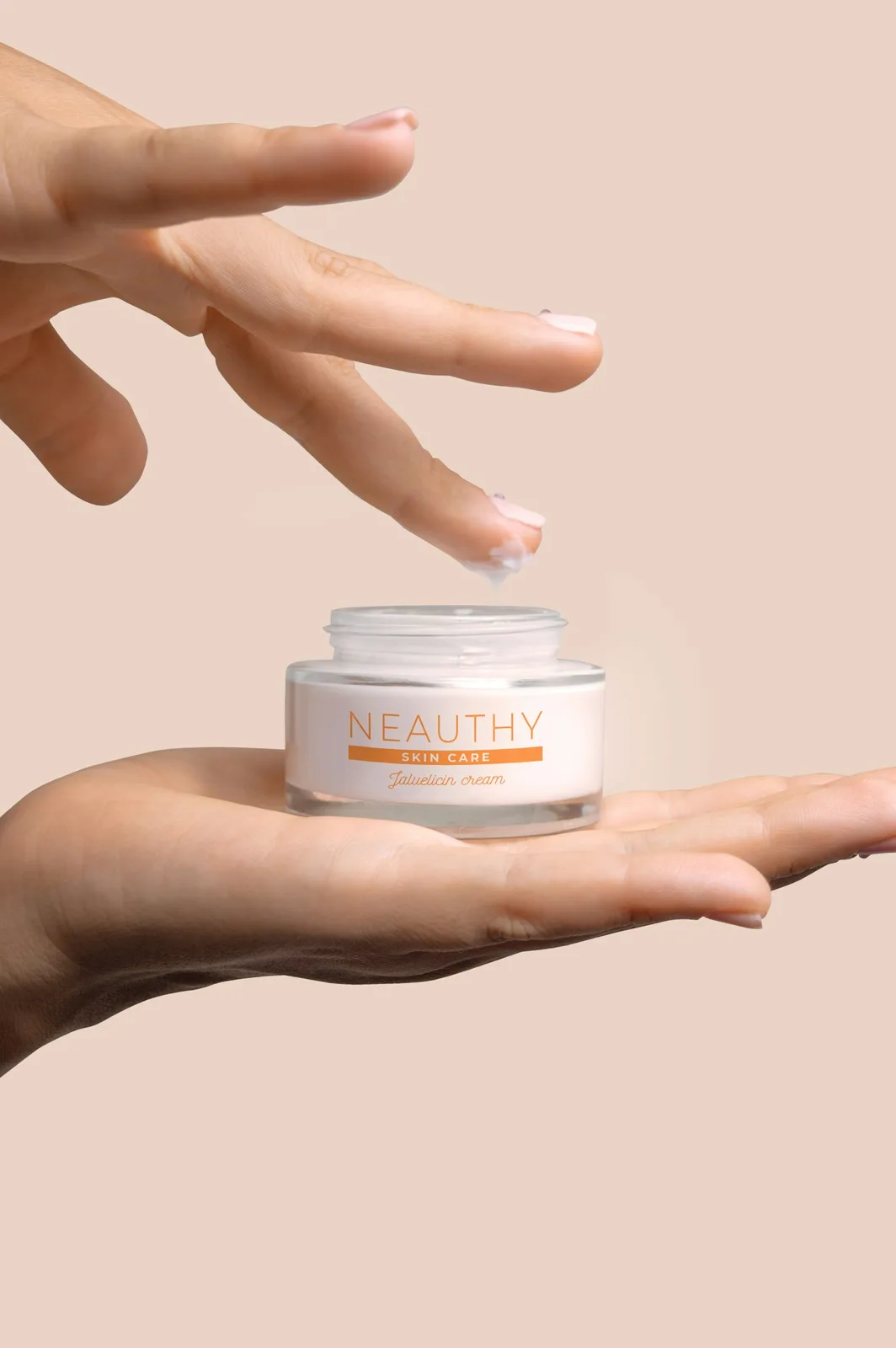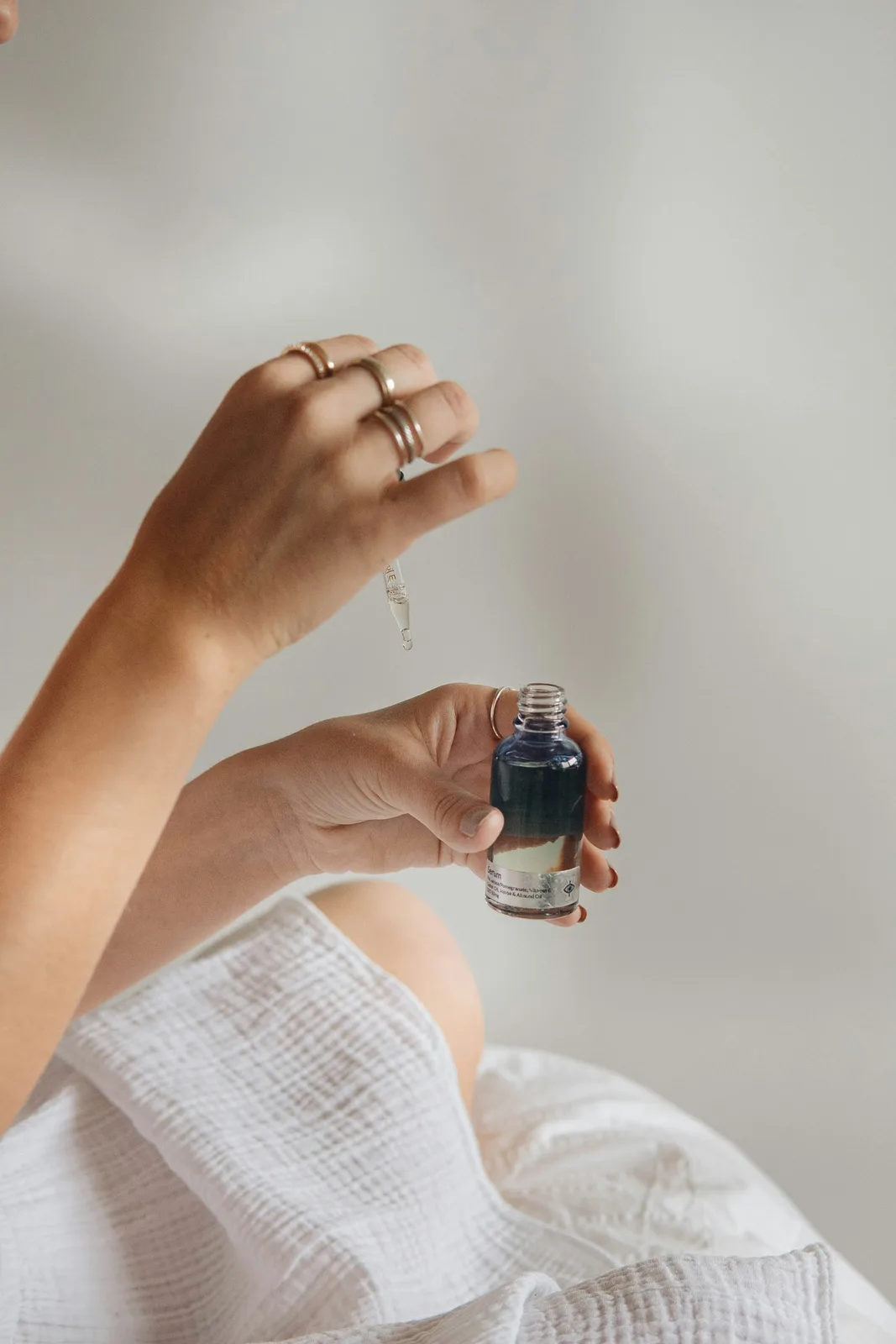
PDRN serums are having a very glossy November. They're all over beauty desks, treatment menus, and late-night scrolling, usually with the promise of bouncier, calmer, somehow fresher skin.
If your face is suddenly tight by midafternoon, though, winter is probably telling a plainer story. Cold air, indoor heat, and a few too many active steps can leave your barrier annoyed. Before you chase the trend bottle, give your skin the duller kind of support. It works.

Let the rich cream go on first
Dermatologists keep winter advice reassuringly simple. Use a gentle cleanser. Keep the water warm instead of hot. Then moisturize while skin is still a little damp. The American Academy of Dermatology also points out that creams and ointments do more for dry skin than lotions do, and that fragrance-free formulas are the safer bet when your face is already feeling reactive.
That matters more than any buzzy serum texture. If you love a PDRN essence or ampoule, fine. Press it on first, then seal it in with a proper cream. On the nights when your cheeks feel papery, go one step further and tap a little ointment over the wind-hit spots around the nose, mouth, and lips.
Give the hard-working actives a shorter week
Overly dry skin rarely needs more hustle. It usually needs less stripping, less scrubbing, and fewer nights of pretending your barrier is in a competitive mood. AAD guidance for dry skin specifically calls out harsh soaps, fragrance, alcohol-heavy formulas, and retinoids as common troublemakers when skin is already over-dry.
So if your winter face has started stinging when moisturizer lands, take that seriously. Keep the cleanser low-foam. Drop the acid pads for a few days. Use the retinoid less often until your skin feels comfortable again. A trend serum can sit in the supporting cast. It just shouldn't be the whole show.
Keep the trend in perspective
PDRN is interesting, and curiosity is part of the fun of beauty. Still, a beautiful label and a grand repair story aren't proof that a cosmetic has been specially blessed by the government. The FDA is very clear here: cosmetics and their ingredients aren't approved before they go to market, apart from color additives. Brands are responsible for safety and labeling.
That doesn't mean you need to fear every new launch. It means you should shop with a cooler head. Buy from a retailer you trust. Patch-test first. If one serum fits into a steady routine and your skin likes it, lovely. If your skin is flaky, hot, or irritated, go back to cleanser, cream, ointment, and patience.
Don't let winter light fool you
Dry skin and sun protection belong in the same conversation. The AAD recommends broad-spectrum, water-resistant sunscreen with SPF 30 or higher through winter too, because UV exposure doesn't disappear when the air gets cold. Clear days still count, and snow can bounce light back onto the skin.
This is where you make life easy for yourself. Pick a sunscreen you don't mind wearing over moisturizer. Use it on the face, ears, neck, and hands if they're exposed. Then stop there. November skin usually looks better when you protect it well and stop asking it to perform.