By the last warm weekend of summer, your sandals may still look charming while your heels are telling the whole story. Dry rims, pale roughness, one little split that catches on the sheets: feet have a remarkably direct way of asking for attention.
The tempting response is a determined session with a metal file. Resist the drama. Cracked heels soften best when you add water, seal it in, and stop treating skin removal like a competitive sport.
Give your feet five quiet minutes
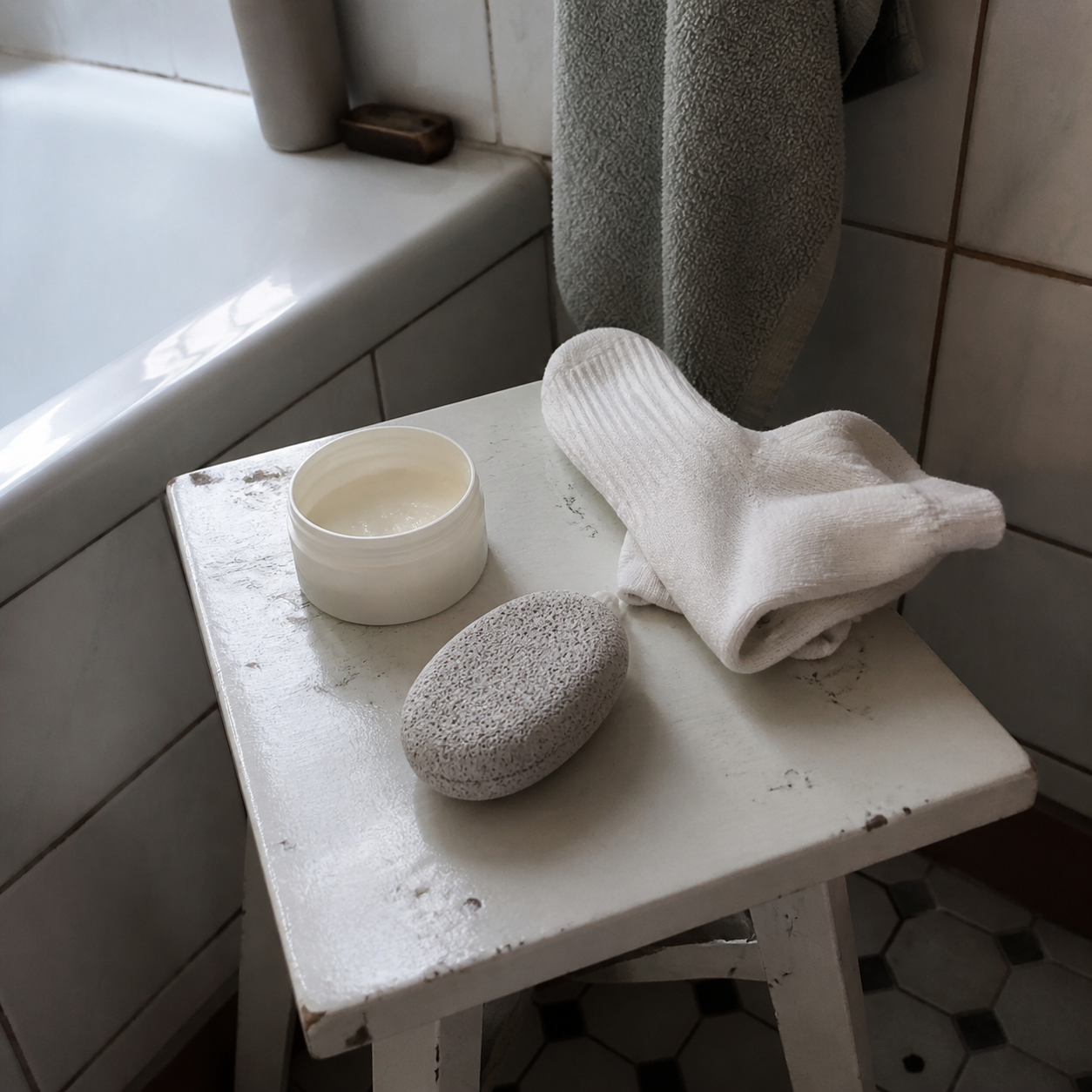
Start at the end of a short warm shower or with a brief foot soak. The American Academy of Dermatology recommends keeping bathing to five to ten minutes because a long, hot soak can leave dry skin even drier. Pat your feet with a towel and leave the heels slightly damp.
If there's a thick, hard rim of callus, a clean pumice stone can skim it gently while the skin is softened. Think a few light passes. Blades, razors, and kitchen-scissor improvisations have no place here; DermNet warns that cutting away hard skin yourself can remove too much and invite infection.
Make urea the star of the jar
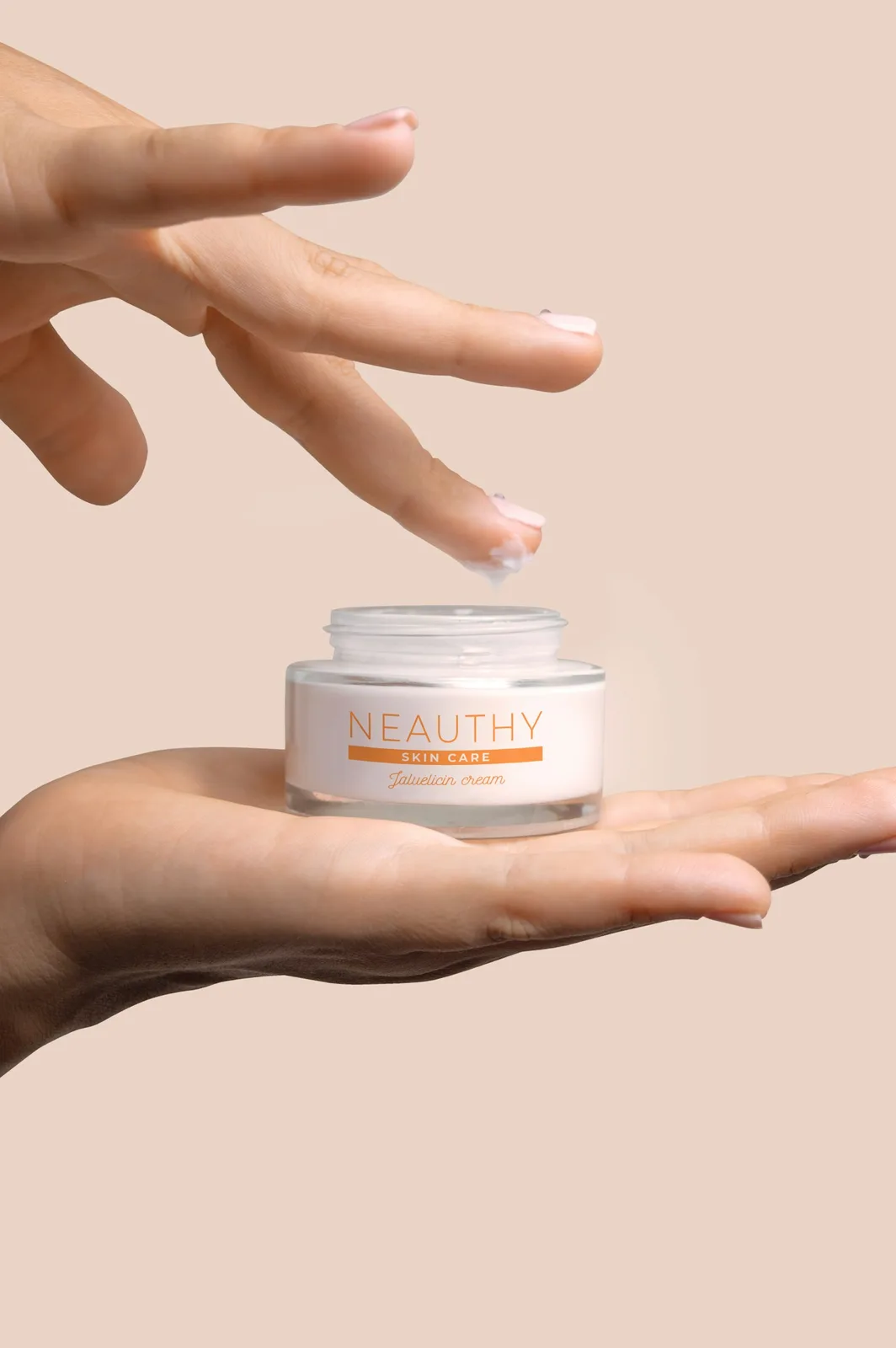
A light body lotion disappears beautifully on shins and may do very little for a stubborn heel. Look for a fragrance-free cream marked with 10 to 25 percent urea. The AAD also points to alpha hydroxy acid or salicylic acid in heel creams; these ingredients help soften the dense, rough surface while the cream holds moisture close.
Apply it within five minutes of bathing, working it over the back and rim of the heel rather than between the toes. If the skin is tender, begin with the blandest cream you own and let comfort guide you. Sting is a reason to stop, rinse, and choose something gentler.
Let cotton socks handle the overnight shift
Before bed, press a thin layer of plain petroleum jelly over the cream. It gives the moisture underneath fewer places to escape. Pull on clean cotton socks, partly to protect your sheets and partly because they keep the whole arrangement where you put it while you sleep.
Repeat nightly until the roughness settles, then keep the cream by your bed for two or three evenings a week. Consistency wins here. One lavish application followed by nine nights of forgetting won't match a modest layer you actually use.
Know when a crack needs more than cream
An open-backed shoe lets the heel spread as you stand, which can deepen a fissure. Give slingbacks and flip-flops a short holiday while a crack closes, and choose a shoe that cups the heel. A liquid bandage can protect a small crack during the day, according to the AAD, especially when walking makes it pull.
Pain, bleeding, warmth, swelling, discoloration, or fluid deserve professional attention. So does a heel that stays badly cracked after a week of careful home treatment. If you have diabetes, poor circulation, or reduced feeling in your feet, skip the home filing and call your clinician; even a small fissure can become a larger problem when you can't feel it clearly.