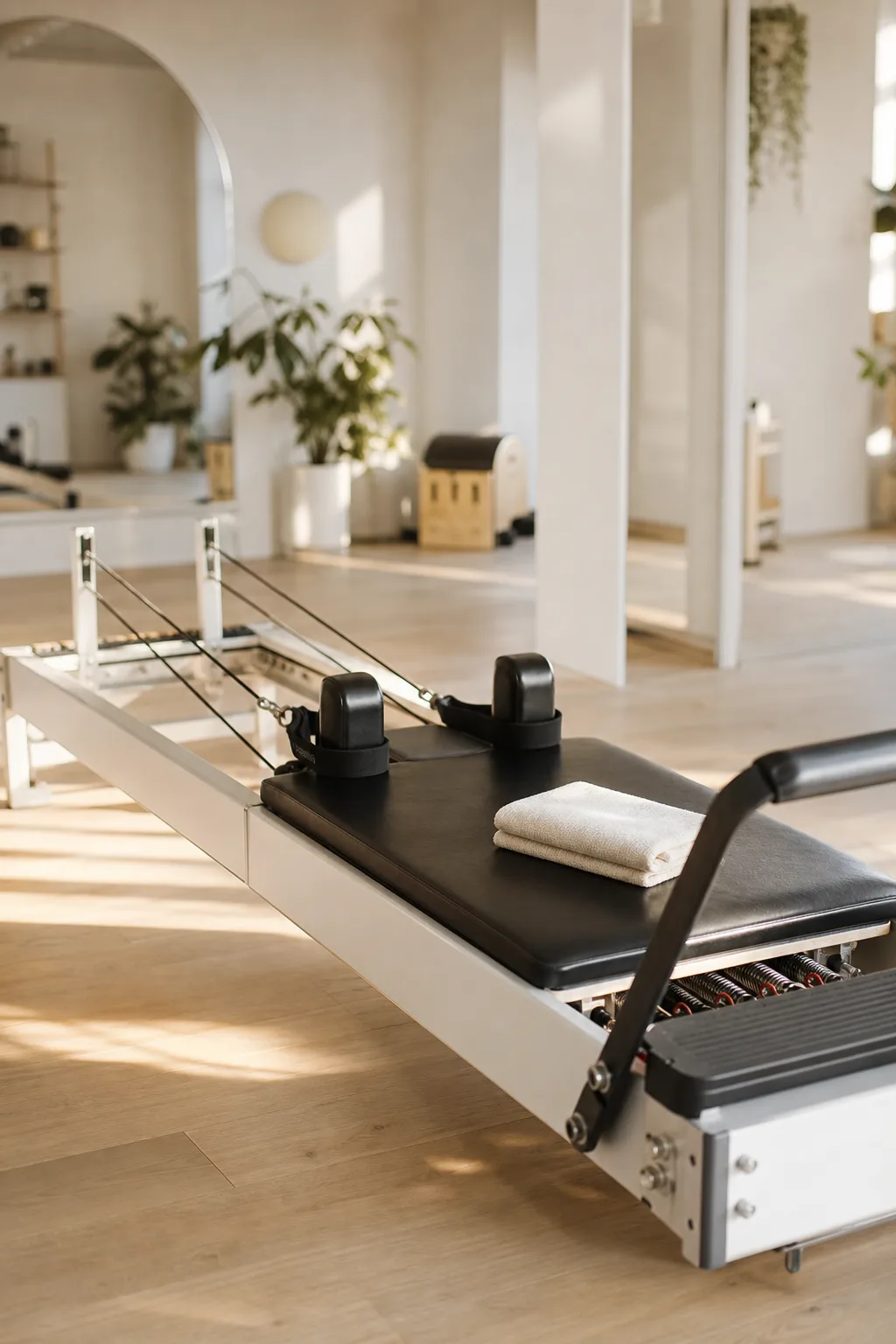
This winter's sleepmaxxing mood board is very pretty: sunrise clocks glowing like apricots, weighted masks in buttercream satin, enough bedside tech to light a boutique hotel hallway. It also has a way of turning sleep into one more performance, which is a terrible energy to bring to a pillow.
The better edit is much plainer. Vogue's latest wellness forecasting notes that light products and circadian chatter are surging, and the NIH guidance underneath all that gloss is almost suspiciously simple: get daylight, keep your sleep timing steady, and make the room feel like somewhere your nervous system can exhale.
Let the first light find you
Morning light is the part of sleepmaxxing worth stealing without embarrassment. Open the curtains, step outside with your coffee, walk the dog before the inbox gets ideas. In November, daylight can look thin as watered silk, but it still counts. You do not need a heroic sunrise ritual. You need your eyes to notice that the day has begun.
NIH sleep guidance keeps coming back to sunlight during the day and time outside because light helps cue the body clock. That's the elegant little hinge. When mornings arrive in the same key, nights tend to stop feeling so improvisational.
Pick a wake-up time and get a little dull about it
A steady wake-up time is less glamorous than a sleep score, which is exactly why I trust it. Choose a realistic time and keep it close on weekdays and weekends instead of asking your body to fly overnight between Friday midnight and Monday morning.
NHLBI's advice is refreshingly strict here: go to bed and wake up at the same time every day, and don't let weekends drift by much more than an hour. That kind of repetition sounds beige on paper. In life, it feels like the floorboards suddenly stop creaking under you.
Trim the bedtime drama
Your last hour before bed should feel lower and softer. Dimmer lamps. Fewer glowing rectangles. A snack if you're hungry, not a rich late dinner that sits in the room with you. Save the afternoon coffee for earlier than you think, because caffeine can linger longer than your optimism says it will.
NHLBI also flags bright artificial light, alcohol, nicotine, and heavy meals as classic sleep wreckers. None of this needs to become a moral fable. It's just easier to fall asleep when your body isn't still dealing with a second espresso and a bright little theater in your hand.
Make the room feel like a room again
The chicest sleep setup is quieter than the internet wants it to be. Cool air. Dark corners. Bedding that feels clean rather than decorative. Maybe a book with a creased spine. Maybe two minutes of slow breathing while the radiator clicks and settles. The whole point is to shrink the sensory load.
NCCIH says relaxation techniques can help as part of broader good sleep habits, and it also makes the hierarchy clear: if insomnia is sticking around, cognitive behavioral therapy for insomnia remains the strongest recommended treatment. If you are lying awake night after night, or someone says you snore like a chainsaw in the next county, that is your cue to bring in an actual clinician.