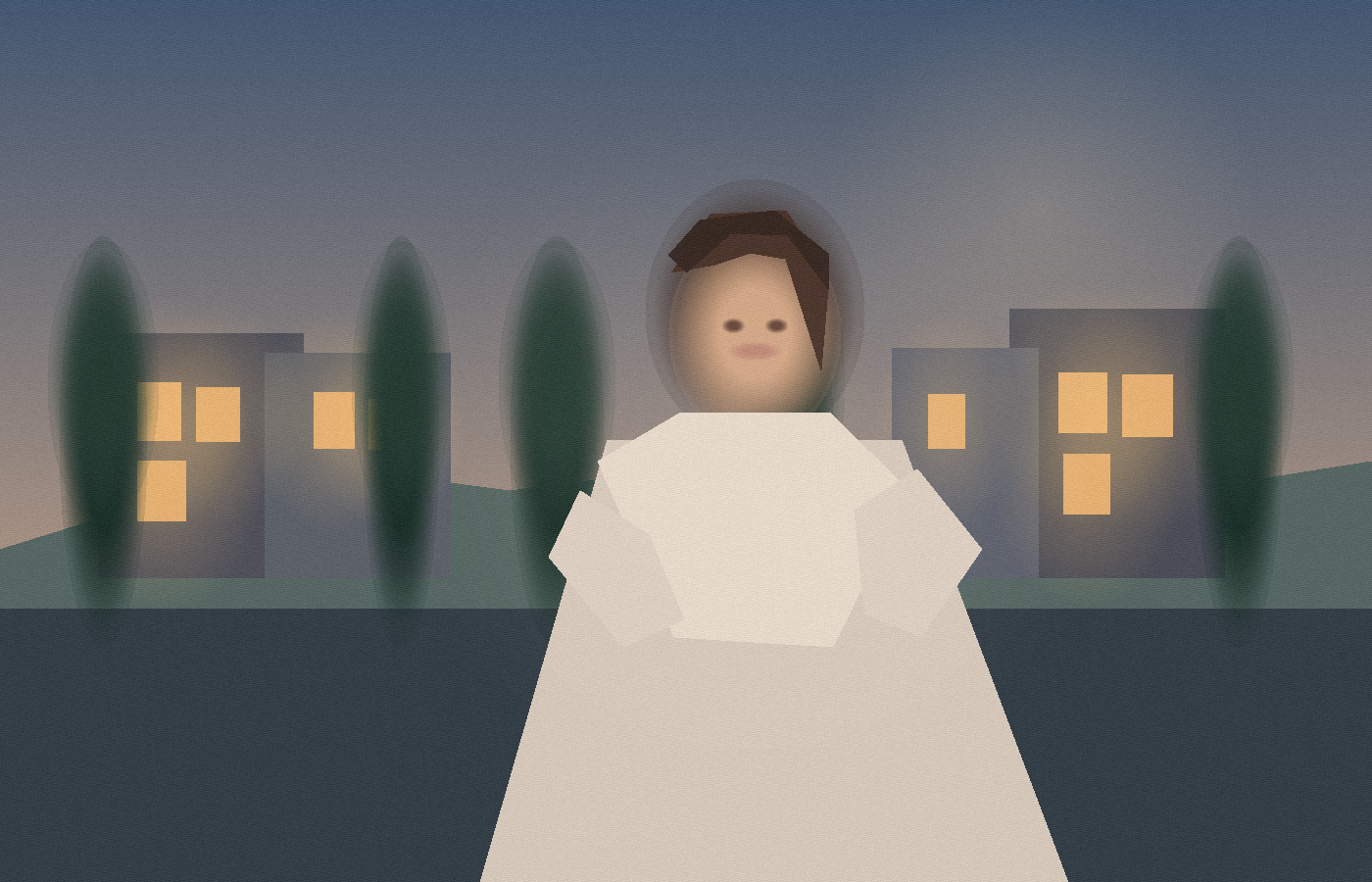
Right now the smartest wellness habit on my radar is also the least glamorous one: a ten-minute walk after dinner. As evenings pull in and weeknight meals get a little heavier, that small lap around the block feels especially well-timed.
The new part is the research. A 2026 review of post-meal exercise in adults with type 2 diabetes found modest improvements in glucose control, and an earlier meta-analysis found that walking soon after a meal lowers the blood-sugar rise more than waiting longer or heading out before you eat. For the rest of us, that doesn't make the walk magic. It makes it a calm, low-effort habit with a real case behind it.
Go while the plate is still on the table
Timing is the whole charm here. The 2023 review found that exercise done as soon as possible after a meal had a better acute effect on post-meal glucose than exercise done earlier or much later. You don't need to march out the second you put down your fork, but this is one of those habits that works best before the evening settles around you.
That also makes it easier to keep. If you wait until the dishes are done, the email is answered, and the sofa has won, the walk starts to feel like a plan. Go first. Let the kitchen look after itself for ten minutes.
Keep the pace easy enough to repeat tomorrow
This is walking, not a penance. Harvard's Nutrition Source notes that exercise uses glucose for energy and improves the body's response to insulin, and even short, light walking breaks can help blood glucose control. So take the pace that lets your shoulders stay soft and your breathing stay ordinary.
If you naturally walk briskly, lovely. If your version is a gentle circuit of the block in loafers and a trench, that still counts. A hallway, a driveway, a few loops through the building lobby, or a stroll while your partner clears the plates all belong in the same quiet category.
Aim it at the meal that hits you hardest
Dinner gets the glamour because it fits the season. It's darker earlier, you're sitting longer, and rich weeknight food is back. But the best meal for this habit is simply the one after which you feel the slump: the pasta lunch you ate at your desk, the takeout dinner that leaves you heavy-eyed, the restaurant meal that turns the rest of the night into sitting.
The freshest review found the strongest glucose effects after breakfast in adults with type 2 diabetes, which is a useful reminder that bodies have their own timing. You don't need to walk after every meal to borrow the idea. Start with one.
Let it close the kitchen
What I like most about an after-dinner walk is how little drama it asks for. No app, no mat, no heroic mood. You're simply interrupting a long stretch of sitting and giving the evening a softer edge. By the time you come back, the meal feels finished and the night can begin properly.
There are limits, and they matter. The evidence here is modest, and the clearest data are in people with type 2 diabetes or impaired glucose tolerance. Still, for a healthy reader looking for one gentle October habit worth keeping, ten minutes after dinner is a very good place to start.