If powder dry shampoo has ever left your roots looking oddly older by noon, you can feel the category shifting. This season's update is the dry-shampoo mist: lighter in the hand, less ghostly at the hairline, and much closer to the kind of thing beauty editors start passing around once the air turns dry and everyone wants second-day hair to behave.
The new versions lean micellar and non-aerosol, which sounds technical but lands in a very simple place. They feel cleaner on contact. They don't announce themselves from across the room. And if you've spent years brushing beige residue out of dark hair, that's enough to make the whole idea feel newly appealing.
Why this suddenly feels fresh
The timing is real. NewBeauty called micellar dry-shampoo mists one of this year's biggest hair-product trends in October, and Cosmetics Business reported in late October that brands are pushing lighter, more scalp-conscious mist formulas in place of the old powder-cloud approach. After a few years of scalp-first talk, this is what that trend looks like when it reaches your bathroom shelf.
You can see the appeal immediately in late fall. Hair is flatter under hats, roots get oily faster when you're toggling between cold air and heated rooms, and a heavy powder can make everything feel drier than it already does. A fine mist reads softer. It gives you a little room before wash day without making your part line look dusty.
The texture is the whole point
Powder dry shampoo can still be excellent, especially if you want grit, lift, or that backstage volume trick. A mist is for a different mood. It suits the person who wants her hair to feel touched as well as seen, or who hates that filmy, over-sprayed sensation at the scalp.
It's also easier to understand why these formulas are landing now. The newer mists are being sold on lower residue, invisible finish, and a less chalky result on dark hair. Some are also being positioned for curls, braids, and extensions, where loose powder can sit too visibly. If classic dry shampoo never quite felt elegant on you, this is the version worth noticing.
Use it where your roots ask for help
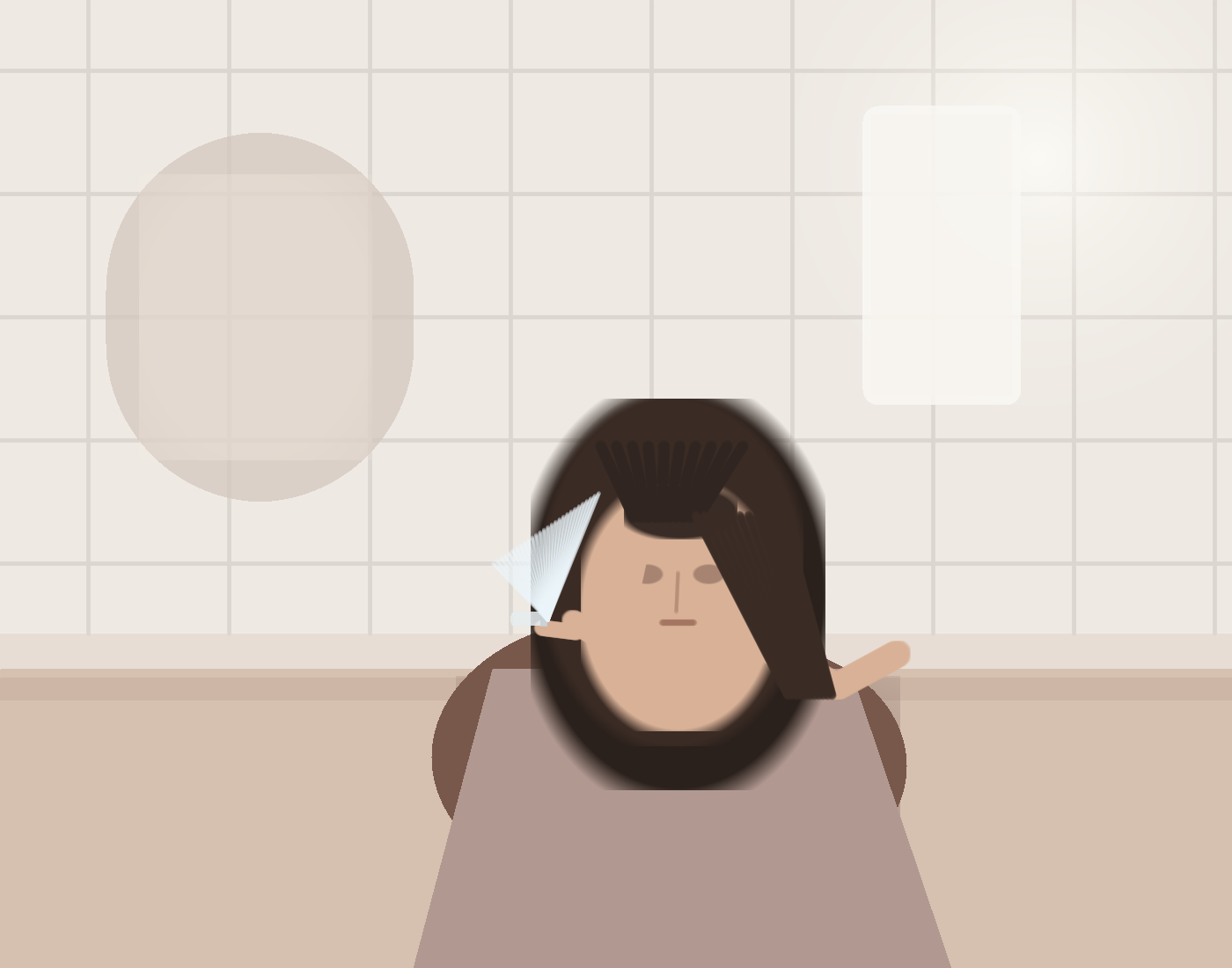
This is not the product for a full-body fog. Keep it close to the scalp, work in sections, and stay honest about how much oil is actually there. A mist tends to reward restraint. A few targeted sprays at the crown, parting, and temples usually look better than soaking the whole top layer and hoping for a miracle.
Then give it a minute. Massage it through with your fingertips, brush if your hair likes brushing, and let the roots settle before you decide whether you need more. You are after relief, not evidence. When hair still moves and your scalp still feels like skin, you've gone far enough.
Keep wash day in the picture
The useful reality check comes from the American Academy of Dermatology: dry shampoo absorbs oil, but it does not clean hair. Dermatologists quoted by the AAD say regular shampoo and water are what remove oil, dead skin, microorganisms, and the dry shampoo itself. They also advise washing after one or two dry-shampoo uses rather than trying to stretch the trick indefinitely.
That's the right scale for this trend. Let a mist buy you an easier morning, a cleaner fringe, or one less panic wash before dinner. Just don't ask it to become your whole scalp routine. Your hair will usually tell you when enough is enough, and it is perfectly fine to listen early.