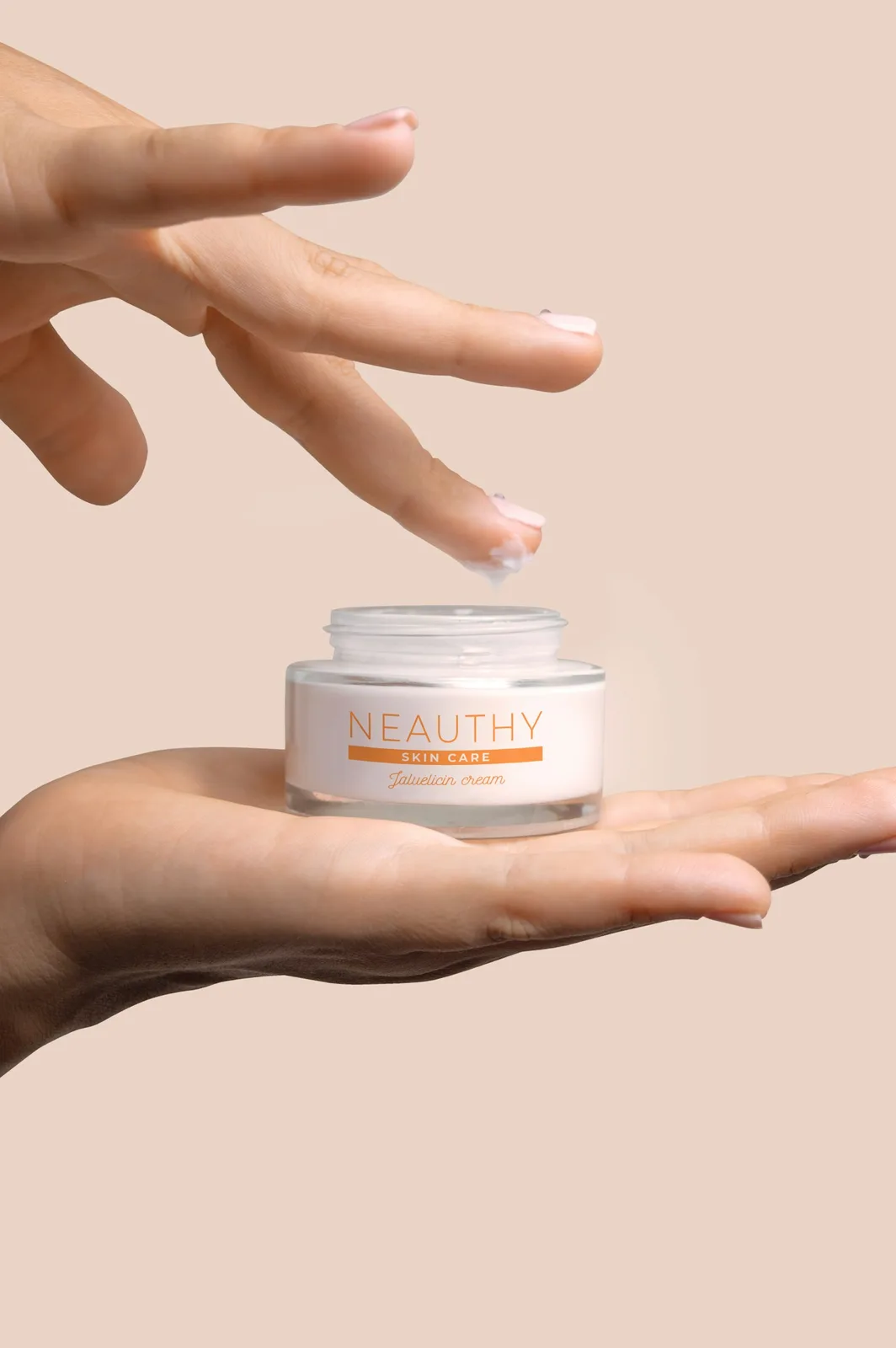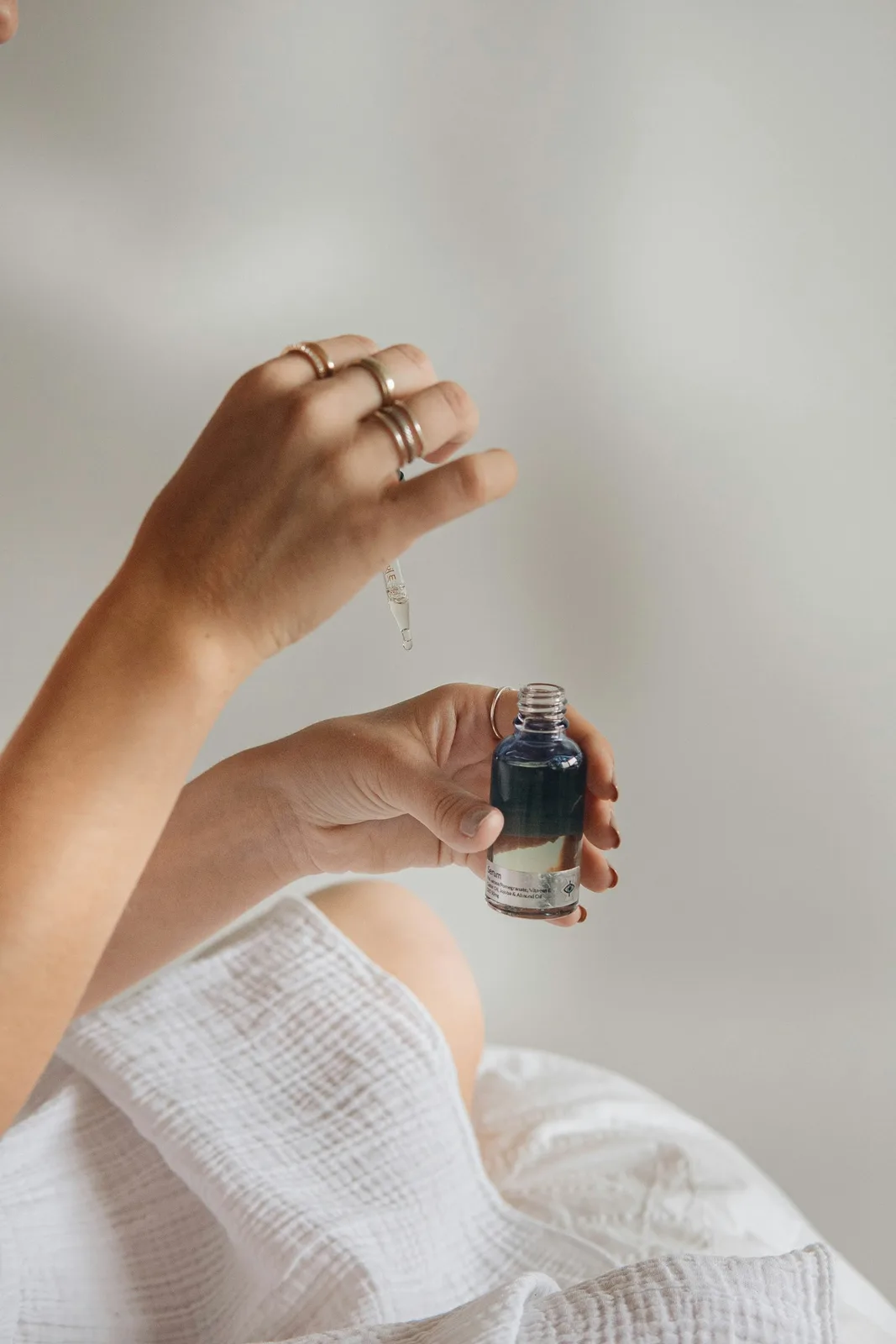
Exosome is the sort of skincare word that arrives already wearing a glossy silver cap. This fall it has drifted into serums, clinic menus, and those softly lit shelfies that make everything look faintly expensive and vaguely futuristic.
I understand the appeal. The science is interesting. The problem is that the bottle is speaking more confidently than the evidence, and your face does not need to be the place where marketing gets to improvise.

Why this suddenly looks like the chic new thing
Autumn always gives skincare a moodier wardrobe. Lightweight summer layers start to feel flimsy, and the language on the box gets richer: repair, renewal, resilience, regeneration. Exosome slips neatly into that scene because it sounds clinical enough to feel serious and plush enough to feel luxurious.
It's also the kind of term that lets a brand sell possibility. You don't need many words once a formula is framed as cutting-edge. A pretty bottle on a mirrored tray does the rest, and soon a very technical idea starts behaving like a straightforward shopping choice.
The studies are interesting, and still very early
A 2026 systematic review of human studies found 19 exosome-based skin-rejuvenation studies, and most were not randomized. Sample sizes ran small, follow-up was short, and the review authors described the evidence as heterogeneous, which is the polite research word for a body of work that doesn't line up cleanly enough yet to feel settled.
There were encouraging short-term signals around hydration, elasticity, wrinkles, pores, pigmentation, and overall appearance. Still, many of those studies looked at exosomes used alongside procedures or in tightly managed settings. That is a different proposition from a retail serum promising a little laboratory miracle between your cleanser and your moisturizer.
The FDA line matters more than the marketing copy
The Food and Drug Administration says there are currently no FDA-approved exosome products, and its public safety alert warns consumers about unapproved stem cell and exosome products marketed with unsubstantiated claims. That doesn't make every exosome-themed bottle automatically sinister. It does mean you should get very alert when the promises start sounding suspiciously medical.
The American Academy of Dermatology is refreshingly unromantic here. It points out that "clinically proven" on a label does not mean FDA-approved, and it also reminds readers that piling on multiple anti-aging products in quick succession can irritate skin. If a brand is selling moon-shot language, I want very earthly details in return.
What I'd do with my own face this month
I wouldn't let an exosome serum elbow aside the boring, lovely things that already earn their keep. The AAD still calls sunscreen and moisturizer the two most effective anti-aging products you can buy, which is less glamorous than a regenerative frontier but much easier to trust in daylight.
If you're curious, keep the rest of your routine calm and read the claims like a slightly skeptical adult at a dinner party. Ask what kind of evidence the brand is relying on, whether the product is making cosmetic promises or treatment-style ones, and whether your skin actually needs another active right now.
- Treat dramatic before-and-after language as mood lighting, not proof.
- Add one new product at a time so irritation has somewhere obvious to point.
- For in-office exosome treatments, ask whether the product is part of an FDA-reviewed clinical trial and who is overseeing it.